The Shangri-La shockwave and the death of automatic assurance
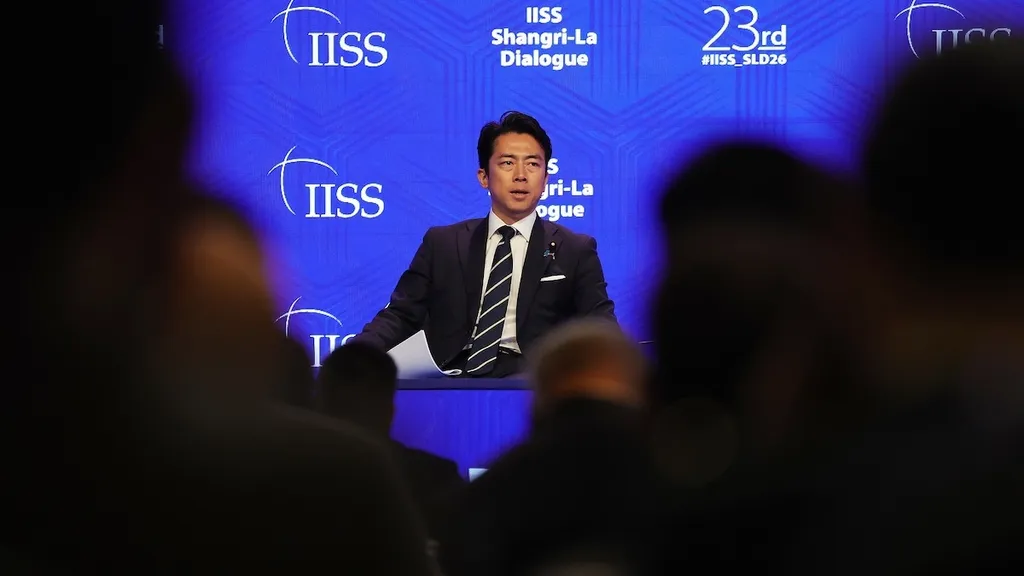
US Secretary of War Pete Hegseth announced a significant shift in the global security landscape at the Shangri-La Dialogue, indicating the end of America's automatic defense assurances to wealthy nations. This change compels countries like Japan to reassess their strategic foundations and embrace self-reliance and regional partnerships. The evolving dynamics suggest a move towards localized security arrangements, with Japan actively adapting its defense posture in response to new realities.
- ▪Hegseth declared that the era of America subsidizing the defense of wealthy nations is officially over.
- ▪Japan is moving towards a more proactive role in its security, emphasizing self-reliance and regional partnerships.
- ▪The traditional security architecture is being replaced by a model of burden-sharing and businesslike cooperation.
Opening excerpt (first ~120 words) tap to expand
When US Secretary of War Pete Hegseth took the podium at the recent Shangri-La Dialogue in Singapore, his words signaled a profound structural shift in the global security landscape. Declaring that the era of America subsidizing the defense of wealthy nations is officially over, Hegseth outlined a new doctrine of “pragmatic idealism” in which Washington demands partners, not protectorates. For decades, the post-Cold War architecture operated on the central assumption that the American security umbrella was a permanent, ideological certainty. That assumption is now collapsing, replaced by a hyper-realistic, transactional blueprint that is forcing major Asian powers, especially Japan, to rapidly reassess their strategic foundations.
…
Excerpt limited to ~120 words for fair-use compliance. The full article is at Asia Times.
Discussion
0 commentsMore from Asia Times