The scandal of two-tier degrees
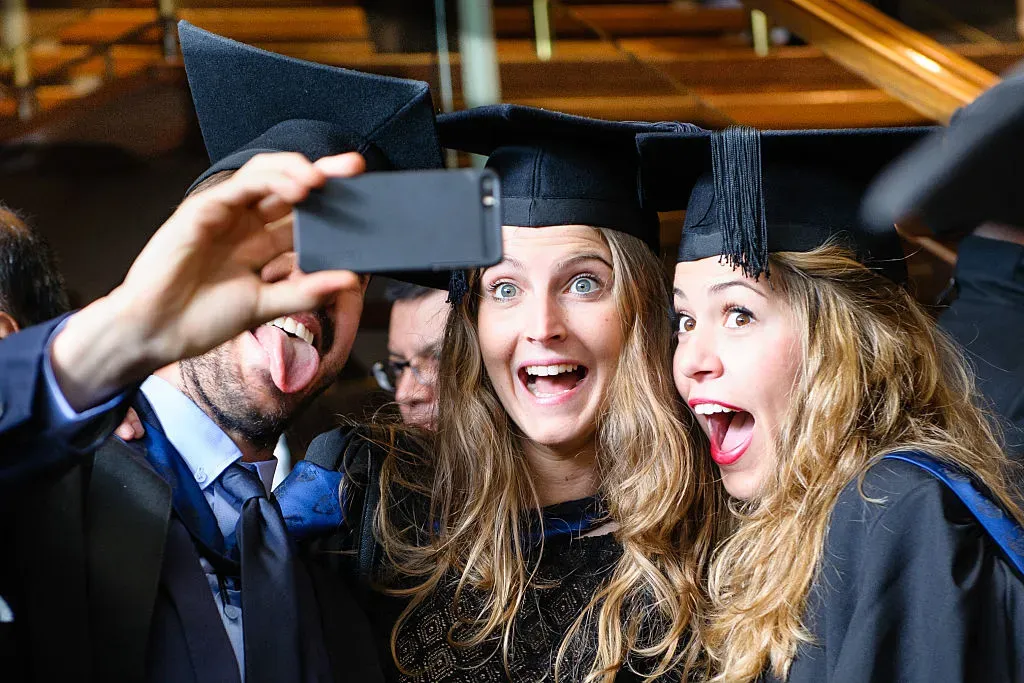
The article discusses the disparity in degree classifications between students with different levels of support and accommodations. It raises questions about the fairness of awarding the same degree classification to students who have had varying experiences and challenges during their studies. The author argues that while support is necessary, it may lead to inequities in how degrees are perceived and valued.
- ▪Student A received extensive accommodations due to learning disabilities, while Student B completed her coursework without such support.
- ▪Both students were awarded a 2:1 classification, raising questions about the equivalence of their degrees.
- ▪The author argues that fairness in education should consider the varying challenges faced by students.
Opening excerpt (first ~120 words) tap to expand
The scandal of two-tier degrees Extra time infantilizes students Degrees aren't always equal. Getty Degrees aren't always equal. Getty Paul Sagar May 19 2026 - 12:01am 7 mins As the academic year draws to a close, students up and down the country will be receiving their degrees. So, consider two different cases: Student A arrived at their university with a diagnosis of ADHD, anxiety, and autism. As a result, he had a long-standing arrangement that all deadlines could be automatically deferred without supporting evidence. All exams came with 20% extra time. He could retake these exams without any marks being capped — and rewrite his coursework too. Despite all this, Student A didn’t manage to complete requirements by the end of second year.
…
Excerpt limited to ~120 words for fair-use compliance. The full article is at UnHerd.