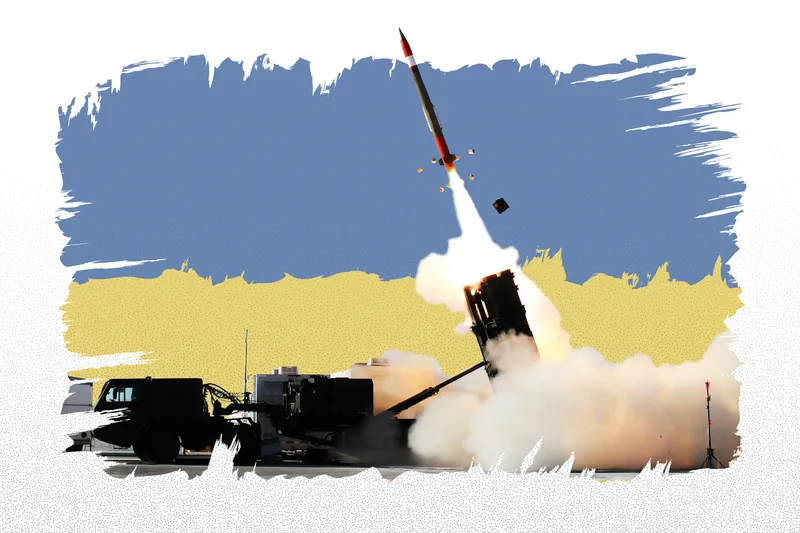
The NATO Defense Spending Canard

The NATO summit in Ankara is focusing on defense spending, particularly the 2% of GDP benchmark, amidst a complex security environment with threats from Russia, China, and other sources. However, the emphasis on percentages has distorted the discussion of what an alliance is and how NATO generates collective strength. The debate over defense spending has become a canard, as it substitutes accounting for strategy and overlooks the importance of military capability and alliance cohesion.
- ▪NATO members are confronting instability across the Middle East, growing competition in the Arctic, and cyber threats, among other security challenges.
- ▪The 2% of GDP benchmark for defense spending was established at the Wales Summit in 2014, and all NATO members have now reached or exceeded it.
- ▪The emphasis on defense spending percentages has been driven in part by President Donald Trump's criticism of European allies for not spending enough on defense.
Opening excerpt (first ~120 words) tap to expand
The NATO Defense Spending CanardThere’s nothing magical—or strategic—about the 5 percent number.Mark HertlingJul 08, 2026Share(Photo illustration by Bill Kuchman/The Bulwark | Photos: Shutterstock)THE LEADERS OF EACH of the North Atlantic Treaty Organization’s members are in Ankara this week at one of the most consequential moments in the alliance’s history. Russia’s war against Ukraine continues with no negotiated settlement in sight, and the lessons of that war are reshaping assumptions about readiness, industrial capacity, logistics, drones, electronic warfare, air defense, and ammunition consumption.
…
Excerpt limited to ~120 words for fair-use compliance. The full article is at The Bulwark.
Discussion
0 commentsMore from The Bulwark