The death of a Lebanese village
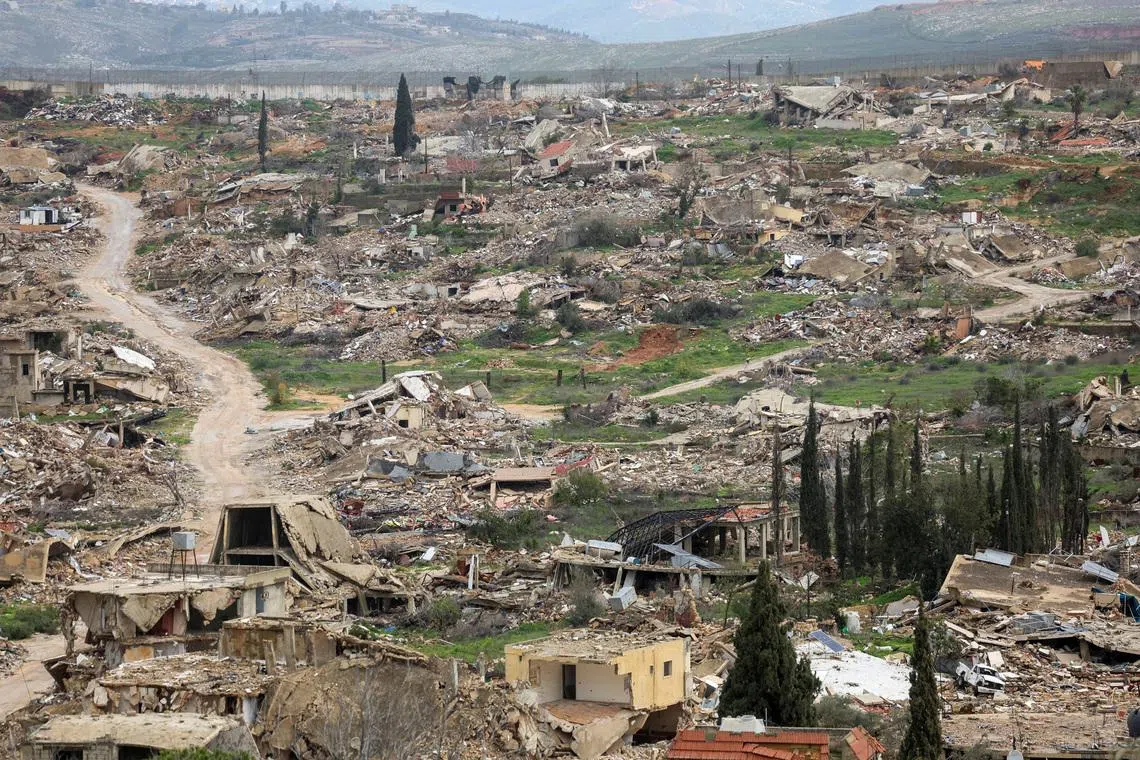
The Lebanese village of Kfar Kila, once a centuries-old farming community near the southern border, has been largely destroyed by sustained Israeli military operations over the past two and a half years. Displaced residents, including Hassan Yahya, now live in makeshift shelters elsewhere in Lebanon, mourning the loss of their ancestral homes and communal life. Israeli forces claim the village housed Hezbollah infrastructure, justifying its destruction as part of efforts to secure the border, while thousands of Lebanese remain displaced nationwide.
- ▪Kfar Kila, a historic village in southern Lebanon, has been almost entirely flattened by Israeli bombardment and bulldozing since 2023.
- ▪Israeli forces claim Kfar Kila served as a Hezbollah stronghold and say they seized large quantities of weapons there in 2024 and 2026.
- ▪Approximately 5,500 people lived in Kfar Kila before the conflict, relying on agriculture, particularly olive oil production, for their livelihoods.
- ▪Over 1.2 million Lebanese have been displaced due to the recent escalation in hostilities between Israel and Hezbollah.
- ▪Reuters reconstructed the village’s destruction using satellite imagery, interviews with former residents, and social media content.
Opening excerpt (first ~120 words) tap to expand
The death of a Lebanese villageSign up now: Get ST's newsletters delivered to your inboxBuildings destroyed during an Israeli military operation lie in ruins near the border with Israel, in Kfar Kila, southern Lebanon, on Feb 19.PHOTO: REUTERSPublished Apr 30, 2026, 02:13 PMUpdated Apr 30, 2026, 03:37 PMListenBEIRUT – In a parking lot strewn with rubbish near Beirut’s Mediterranean coast, Mr Hassan Yahya has taped a cardboard sign to a traffic signal pole beside the tarp tent that now serves as his home.“Kfar Kila welcomes you,” read the lines scrawled in thin pen. The flimsy board recalls a signpost that once stood dozens of miles away at the entrance of the centuries-old village of that name.
…
Excerpt limited to ~120 words for fair-use compliance. The full article is at Straits Times — World.
Discussion
0 commentsMore from Straits Times — World