The Avant-Garde Path to God
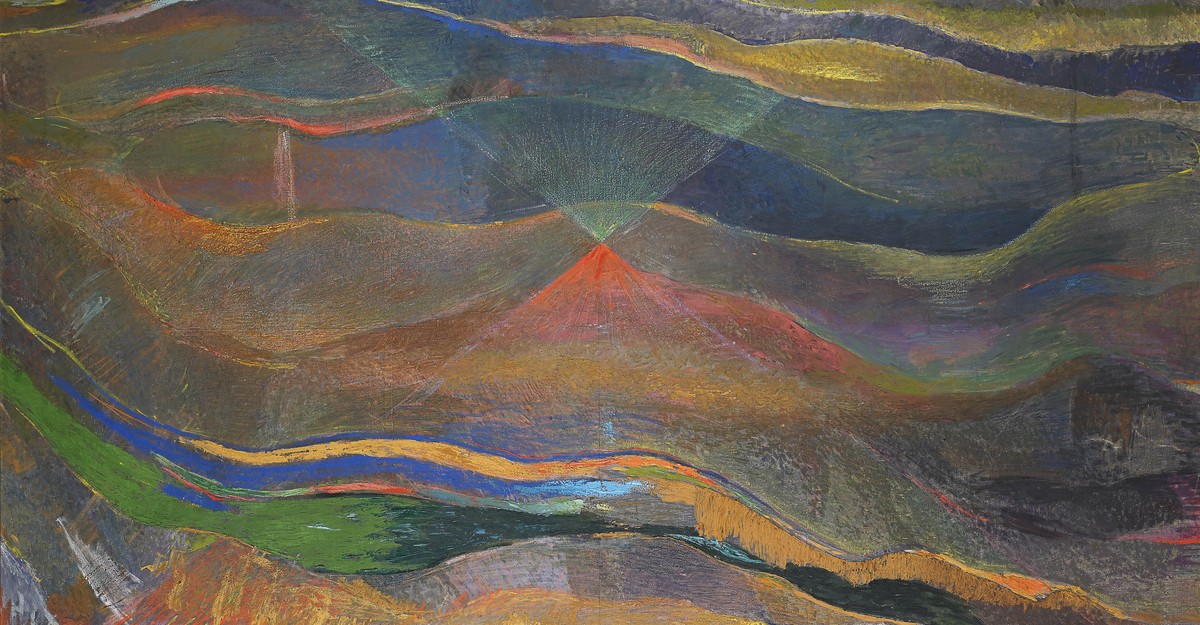
James K. A. Smith's new book argues that contemporary art, often dismissed by traditionalists as spiritually empty, can instead foster a contemplative mindset conducive to mystical and divine experiences. Unlike critics like Roger Scruton, who see modern art as merely provocative, Smith believes abstract and experimental works invite viewers into silence, uncertainty, and attentiveness—habits aligned with Christian mysticism. He draws parallels between the focus required by artists like Agnes Martin and the spiritual practices of historical mystics such as Teresa of Ávila and John of the Cross. While not all modern art may inspire transcendence, Smith suggests that its power lies in disrupting habitual thinking and opening space for spiritual reflection.
Opening excerpt (first ~120 words) tap to expand
CultureThe Avant-Garde Path to GodA new book explores how contemporary art can offer glimpses of the divine.By Luis ParralesHeritage Images / GettyApril 28, 2026, 11:39 AM ET ShareSave Listen−1.0x+Seek0:007:47Early in his 2009 BBC documentary, Why Beauty Matters, the late conservative philosopher Roger Scruton described seeing Michelangelo’s Pietà for the first time. Gazing on the 15th-century sculpture, which depicts Mary holding Christ after the crucifixion, was a “transporting experience” for Scruton and informed his later view that art can, in its pursuit of beauty, “raise us to a higher moral or spiritual plane.” As he said in the film, “My life was changed by this.”To Scruton, the contemporary art popularized in Europe and North America throughout much of the 20th century could…
Excerpt limited to ~120 words for fair-use compliance. The full article is at The Atlantic.
Discussion
0 commentsMore from The Atlantic