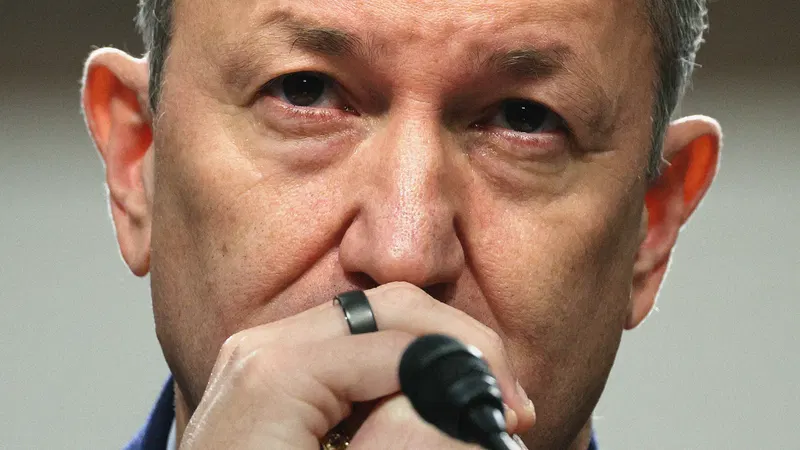
The Administration Isn’t Even Pretending Anymore

The U.S. administration’s ten‑month campaign of striking drug‑smuggling boats in the Caribbean and eastern Pacific has faced mounting criticism from officials and lawmakers. While President Trump has claimed dramatic reductions in seaborne drug shipments, internal reports and congressional testimony suggest the strikes have killed over 200 people without significantly curbing drug flow into the United States. The campaign’s legal basis and effectiveness remain under scrutiny, with questions about targeting criteria and the actual impact on cocaine and fentanyl trafficking.
- ▪More than 200 people have been killed in over 60 strikes on small drug‑smuggling vessels since the campaign began.
- ▪President Trump has publicly asserted that the operation has cut seaborne drug shipments by 92 percent, later increasing the claim to 97.2 percent.
- ▪Pentagon officials, including Southern Command head Gen. Francis L. Donovan, have acknowledged that boat strikes are not a sufficient solution to the narcotics problem.
- ▪A Pentagon inspector‑general report confirmed that fentanyl is primarily produced in Mexico and enters the U.S. via the southern land border, not by sea.
- ▪Street prices for cocaine in the United States have fallen, indicating that the strikes have not deterred the flow of cocaine into the domestic market.
Opening excerpt (first ~120 words) tap to expand
National SecurityThe Administration Isn’t Even Pretending AnymoreMore than 200 deaths later, the drugs keep coming.By Marie-Rose SheinermanIllustration by The Atlantic. Source: Jim Watson / AFP / Getty; Miguel J. Rodriguez Carrillo / AFP / Getty; U.S. Department of Justice; U.S. Department of War.July 6, 2026, 7 AM ET ShareSave The official line remains the same: The 10-month campaign of strikes on small boats in the Caribbean and eastern Pacific has nearly stopped the flow of drugs by sea into the United States. In December, President Trump boasted about a 92 percent drop in seaborne shipments.
…
Excerpt limited to ~120 words for fair-use compliance. The full article is at The Atlantic.
Discussion
0 commentsMore from The Atlantic