Tech in Plain Sight: The Mechanics of String Trimmers
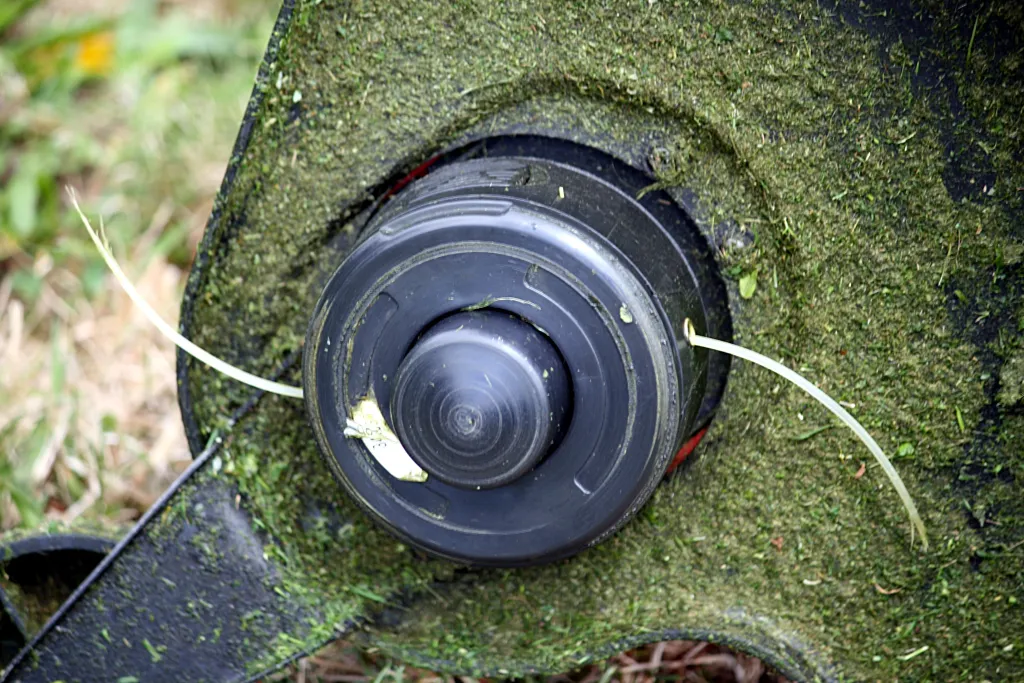
String trimmers, also known as Weed Eaters, are simple devices that require complex mechanical engineering to function effectively. The design of the spool, which feeds out nylon line, has evolved significantly since the invention of the Weed Eater in the 1970s. Various mechanisms, such as bump feed and automatic feed, have been developed to manage line wear and ensure efficient operation.
- ▪The first string trimmer was patented by George Ballas in the early 1970s.
- ▪Bump feed mechanisms allow users to extend the line by tapping the trimmer against the ground.
- ▪Automatic feed systems are designed to sense when the line is too short and feed more line automatically.
Opening excerpt (first ~120 words) tap to expand
Tech In Plain Sight: The Mechanics Of String Trimmers No comments by: Al Williams May 21, 2026 Title: Copy Short Link: Copy My old friend Jeff was always vocally upset that he didn’t come up with the idea of a string trimmer, commonly known as a Weed Eater or Weed Whacker. On the one hand, the idea is totally simple: spin some nylon line and cut grass and other relatively soft things. But, it turns out, that making the device actually usable requires a little bit of mechanical engineering. Of course, the noisy part is a motor. The motor — driven by an engine, a battery, or a power cord — spins a flexible nylon line fast enough that the line becomes rigid from centrifugal force. That’s not the important part.
…
Excerpt limited to ~120 words for fair-use compliance. The full article is at Hackaday.
Discussion
0 commentsMore from Hackaday