Supreme Court Allows Trump to Block Asylum Seekers at Border
The Supreme Court ruled that the Trump administration may block asylum seekers at the U.S. border, interpreting the term “arrive” to include crossing the border. The policy of turning back asylum seekers, which had been rescinded in 2021, could therefore be reinstated as a tool for border control. The decision has significant implications for immigration enforcement and the legal definition of entry into the United States.
- ▪The Supreme Court allowed the Trump administration to block asylum seekers at the border.
- ▪The policy of turning back asylum seekers was rescinded in 2021 but may be reinstated under the ruling.
- ▪The case centered on the legal definition of “arrive” in the United States.
- ▪The decision could expand the administration’s tools for border control.
- ▪The ruling may affect future immigration litigation and enforcement practices.
Opening excerpt (first ~120 words) tap to expand
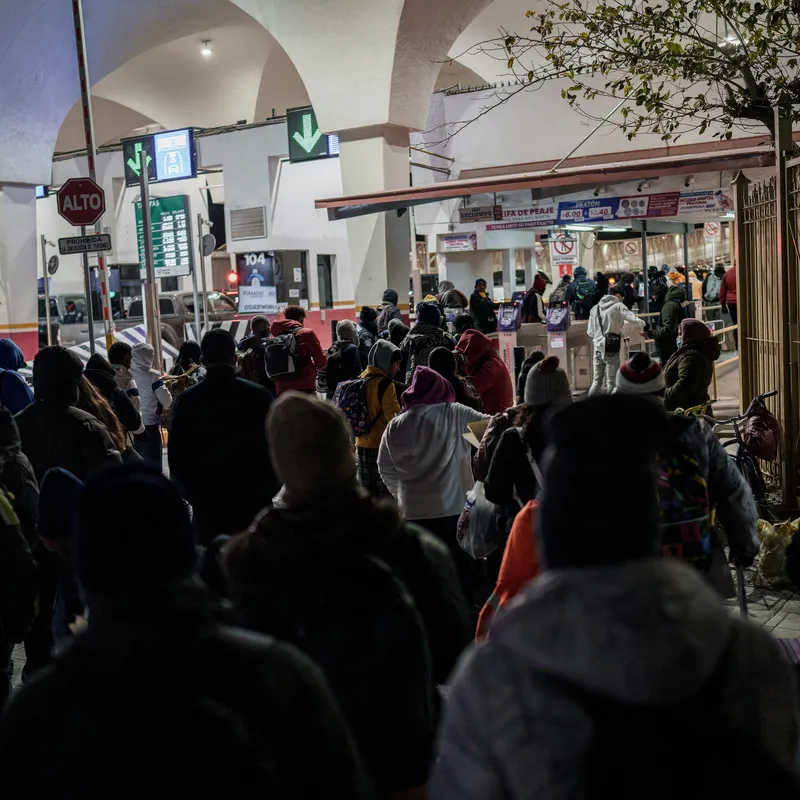
#masthead-section-label, #masthead-bar-one { display: none }U.S. Immigration CrackdownSurge of ICE ArrestsImmigration RulingsMigrants’ Lives UpendedConditions for DeporteesAdvertisementSKIP ADVERTISEMENTYou have a preview view of this article while we are checking your access. When we have confirmed access, the full article content will load.Supported bySKIP ADVERTISEMENTSupreme Court Allows Trump to Block Asylum Seekers at BorderA policy of turning back asylum seekers at the border was rescinded in 2021, but the Trump administration wants the flexibility to reinstate it as a tool for border control.Listen · 5:23 min Share full article330Migrants approaching the U.S.-Mexico border in Ciudad Juárez, Mexico, last year.
…
Excerpt limited to ~120 words for fair-use compliance. The full article is at NYT > Top Stories.
Discussion
0 commentsMore from NYT > Top Stories