Superhot Rock Holds the Energy of the Future
Geothermal energy is gaining traction as a renewable resource, with bipartisan support in the U.S. and significant investments announced. The U.S. Department of Energy has allocated funds to advance geothermal technology, highlighting its potential for substantial power generation by 2050. Despite concerns about induced seismicity, experts believe risks have been mitigated through research and monitoring practices.
- ▪The U.S. has the potential for at least 300 gigawatts of reliable geothermal power by 2050.
- ▪Kenya sources half of its energy from geothermal, while Iceland and New Zealand also rely heavily on this resource.
- ▪Concerns about induced seismicity have led to improved research and monitoring methods to minimize risks.
Opening excerpt (first ~120 words) tap to expand
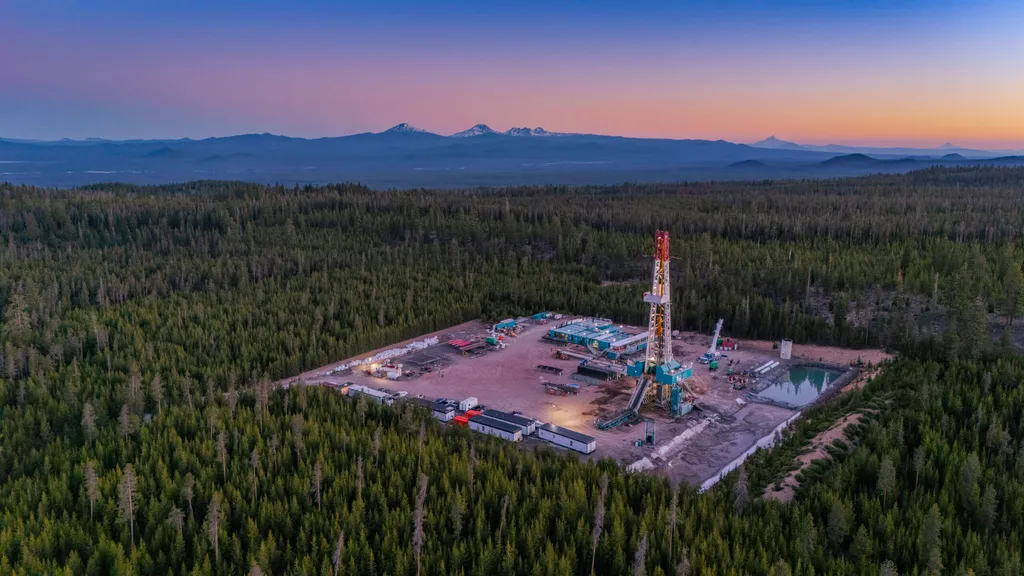
“But you have to find the goldilocks, not too deep, not too hot, not too chemically dangerous,” says Horne, who last year convened more than 450 experts from 28 countries at the 50th Stanford Geothermal Workshop to exchange ideas and report results. One encouraging sign is that there appears to be bipartisan support for geothermal, which is not always the case with renewables. Mazama’s Newberry site benefited from a $25 million grant from the U.S. Department of Energy. And in February, the department announced a further $171.5 million to support “next-generation geothermal field-scale tests,” stating that the U.S. has the potential for at least 300 gigawatts of “reliable, flexible geothermal power” on the grid by 2050.
…
Excerpt limited to ~120 words for fair-use compliance. The full article is at Reasons to be Cheerful.
Discussion
0 commentsMore from Reasons to be Cheerful