
Starting from Scratch
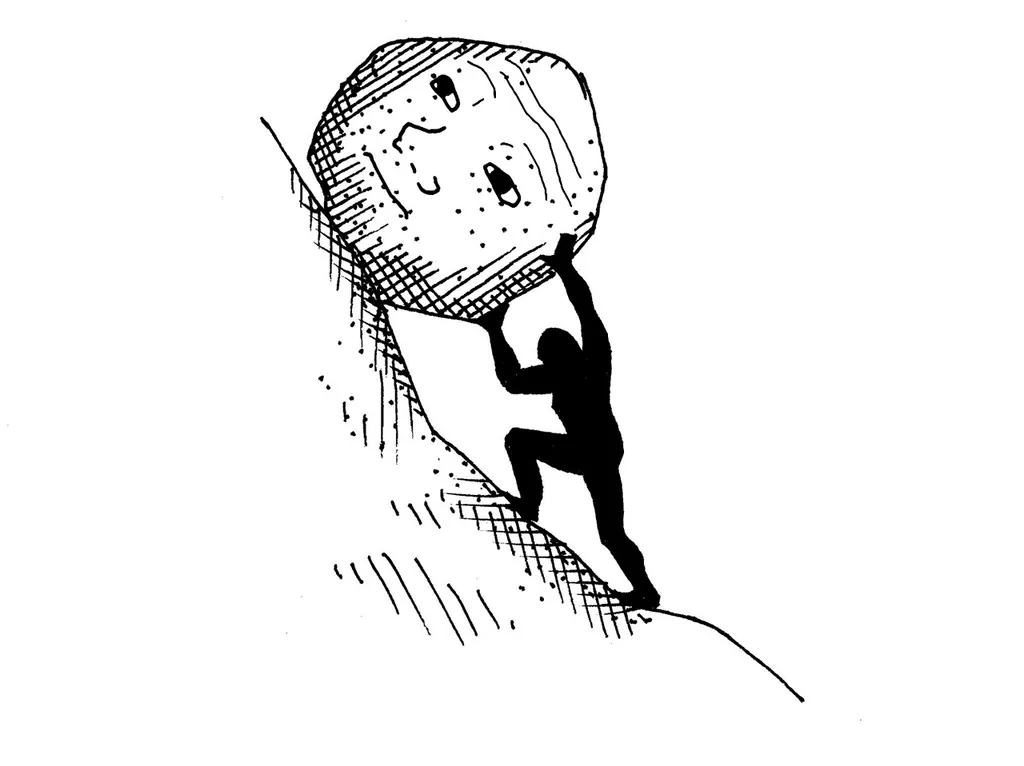
The author reflects on personal experiences with starting over, such as learning to solve a Rubik's cube and creating digital art, to illustrate the value of beginning from scratch. They emphasize that emotional attachment to past effort can hinder progress and that true growth comes from embracing the discomfort of discarding old work. Starting anew, though difficult, is a necessary skill for improvement in both individual and organizational contexts.
- ▪The author attempted to solve a Rubik's cube independently but struggled with the final layer, eventually needing to use standard algorithms to succeed.
- ▪They painted a portrait digitally without proper technique, then restarted with better methods and achieved a significantly improved result.
- ▪Emotional attachment to effort invested often prevents people from starting over, even when it leads to better outcomes.
- ▪Starting from scratch is described as a skill that requires courage and the ability to accept temporary meaninglessness.
- ▪The author suggests that both individuals and organizations benefit from discarding outdated or inefficient work to enable real progress.
Opening excerpt (first ~120 words) tap to expand
On starting from scratch 07 Jul, 2022 There is great value in starting over from scratch. I realized it very late in life. I will try to convince you why you should start from scratch (with whatever you are doing). The CubeBack when I was a kid, every summer I picked up an extreme task to flex on my fellow classmates (I was a moron). For example, I once memorized an entire deck of cards to impress my school crush on a field trip (my memory failed me tho). One such summer, I decided to master the Rubik's cube. The idea was that, like Chris Gardner, I will learn to solve a Rubik's cube on my own. After almost 2 weeks of hard work, I was able to come up with an algorithm to solve the first 2 layers (from the bottom): Ok, I'll be honest, you don't need an algorithm for the first two layers.
…
Excerpt limited to ~120 words for fair-use compliance. The full article is at Shiv After Dark.
Discussion
0 commentsMore from Shiv After Dark


