Show HN: The Hanging Sculptures of the Xiaoxitian
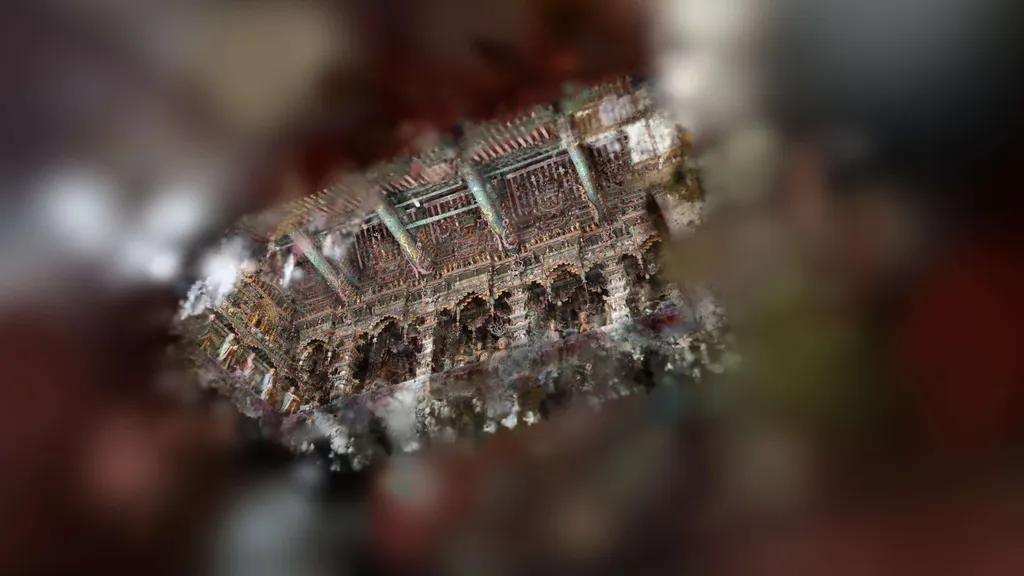
The Xiaoxitian temple features over a thousand hanging sculptures that create a three-dimensional representation of a Pure Land. These sculptures were crafted during a time of famine and suffering, symbolizing hope and resilience in the face of adversity. The temple serves as a poignant reminder of the human spirit's desire to create beauty and escape from harsh realities.
- ▪The Xiaoxitian temple is located in the loess hills of Shanxi.
- ▪It contains over a thousand polychrome sculptures suspended in space.
- ▪The sculptures were created during years of plague and starvation as a form of spiritual escape.
Opening excerpt (first ~120 words) tap to expand
nextjs-portal, button[aria-label="Open Next.js Dev Tools"] { display: none !important; } LoadingFUNES Digital Heritage ArchiveThe Hanging Sculptures of the XiaoxitianBorn from an age of unbearable suffering—when famine haunted the loess hills of Shanxi—this temple is not a monument to grandeur, but a desperate dream made tangible. In the cramped confines of its main hall, a paradise erupts from the walls; over a thousand polychrome sculptures are not merely attached but suspended in space, creating an immersive, three-dimensional Pure Land. This opulent world, crafted from clay and wire during years of plague and starvation, stands in stark contrast to the grim reality of its creation.
…
Excerpt limited to ~120 words for fair-use compliance. The full article is at FUNES – 3D Cultural Heritage Archive.
Discussion
0 commentsMore from FUNES – 3D Cultural Heritage Archive