Scurvy-plagued whalers' remains discovered at 'Corpse Point' in Svalbard
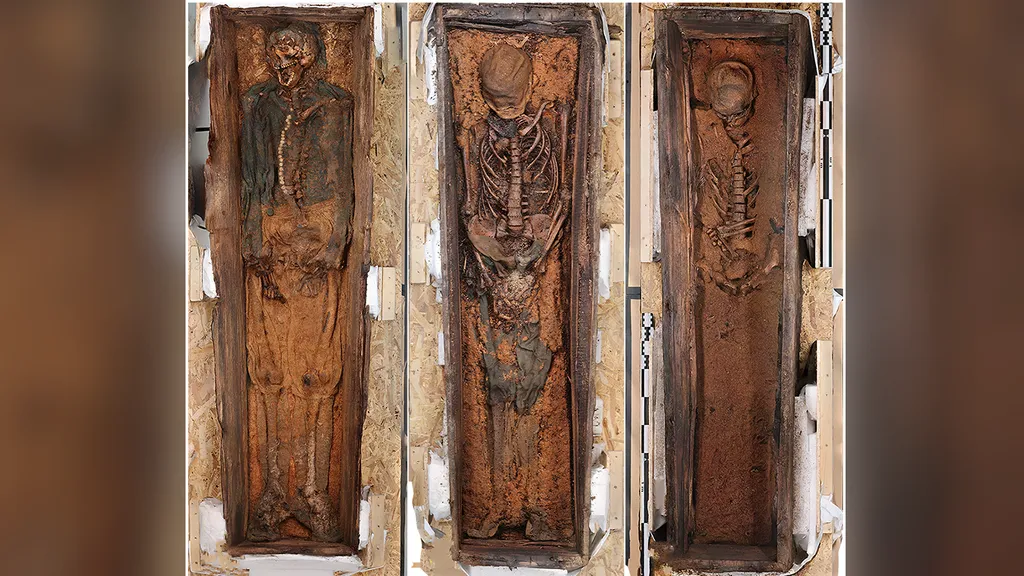
Archaeologists have discovered the remains of 17th-century whalers at a site in Svalbard, revealing the harsh conditions they faced. The skeletal analysis indicates that these men suffered from scurvy and extensive physical strain due to their demanding work. Climate change poses a significant threat to this archaeological site, making further excavations urgent.
- ▪The burial site, known as Likneset or 'Corpse Point', is the largest whaling cemetery in Svalbard.
- ▪Archaeologists found evidence of scurvy and physical strain in the skeletons of the whalers.
- ▪The site is rapidly disappearing due to climate change, necessitating immediate archaeological efforts.
Opening excerpt (first ~120 words) tap to expand
Archaeology Scurvy-plagued whalers' remains discovered at 'Corpse Point' in Svalbard Skeletons of early modern whalers reveal widespread scurvy, pipe smoking and heavy physical labor. By Kristina Killgrove published 20 May 2026 in News When you purchase through links on our site, we may earn an affiliate commission. Here’s how it works. The graves of three whalers who were buried on the Norwegian archipelago of Svalbard in the 17th century. (Image credit: Loktu, Brødholt, 2026, PLOS One; CC-BY 4.0) Copy link Facebook X Reddit Pinterest Flipboard Share this article 0 Join the conversation Follow us Add us as a preferred source on Google Newsletter Subscribe to our newsletter Archaeologists investigating a 17th-century graveyard in the High Arctic are uncovering evidence of the perils that…
Excerpt limited to ~120 words for fair-use compliance. The full article is at Live Science.
Discussion
0 commentsMore from Live Science