SC/ST communities in Karnataka continue to face land-related issues, finds study
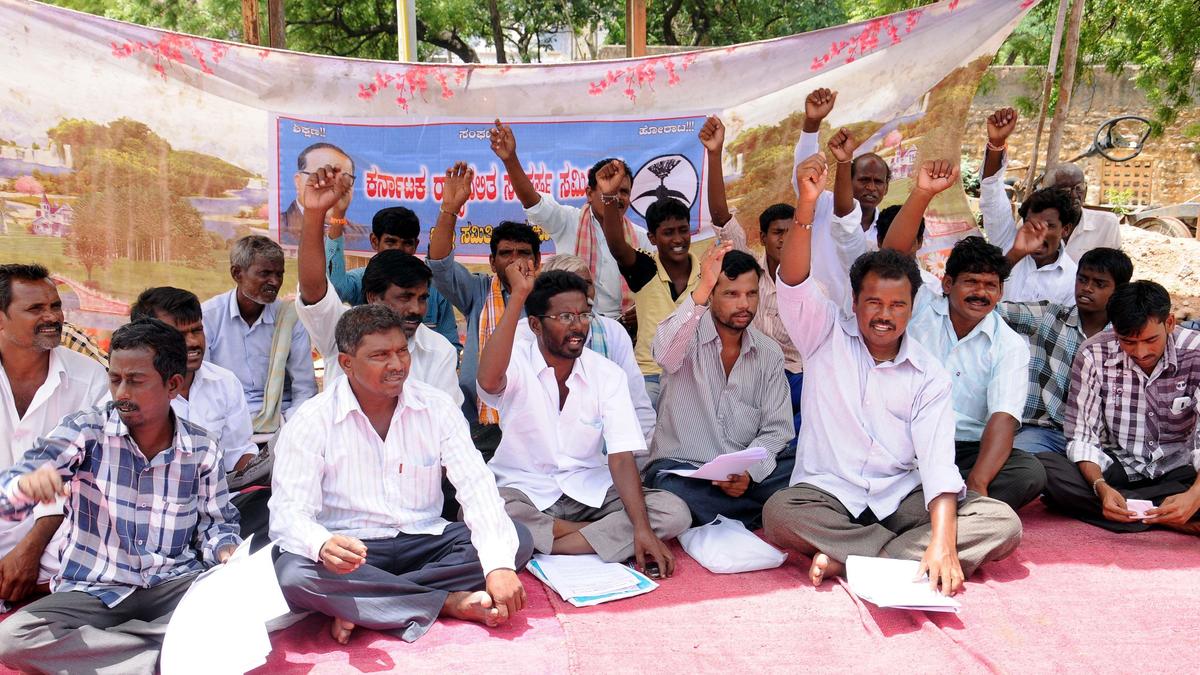
A study has found that Scheduled Castes and Scheduled Tribes in Karnataka continue to face land-related challenges despite existing legal protections, with many applications under the Karnataka Village Offices Abolition Act still pending and eligible families missing deadlines due to lack of awareness. The research was conducted in Tumakuru, Raichur, and Chikkamagaluru by the Alternative Law Forum in collaboration with Samvidhana Samrakshana Vedike and Slum Janandolana Karnataka. The findings highlight systemic gaps in implementation and access to land rights. The report was released on Tuesday.
- ▪Scheduled Castes and Scheduled Tribes in Karnataka face ongoing land rights issues despite protective legislation.
- ▪Many applications under the Karnataka Village Offices Abolition Act remain unresolved.
- ▪Eligible kulwadike families failed to apply for regrant of village service Inam lands due to unawareness of application deadlines.
- ▪The study was conducted in Tumakuru, Raichur, and Chikkamagaluru by the Alternative Law Forum with partner organizations.
- ▪The findings were released on Tuesday by the research groups.
- ▪The study highlights gaps in implementation and awareness regarding land rights for marginalized communities.
Opening excerpt (first ~120 words) tap to expand
Scheduled Castes and Scheduled Tribes in Karnataka continue to suffer in land-related issues, despite legislations being in place, a study has said.Many applications filed under the Karnataka Village Offices Abolition Act remain pending even as several kulwadike families were unable to file applications for regrant of village service Inam lands due to lack of awareness about the time window to file such applications. The findings of the study conducted in Tumakuru, Raichur, and Chikkamagaluru by the Alternative Law Forum in association with Samvidhana Samrakshana Vedike and Slum Janandolana Karnataka was released on Tuesday.
Excerpt limited to ~120 words for fair-use compliance. The full article is at The Hindu.
Discussion
0 commentsMore from The Hindu