Science news this week: Exploding rocket overshadows NASA's next steps to the moon, 'Doomsday Glacier' faces big loss, quantum computer AI hybrid shows impressive results, and war deepens Iran's water crisis
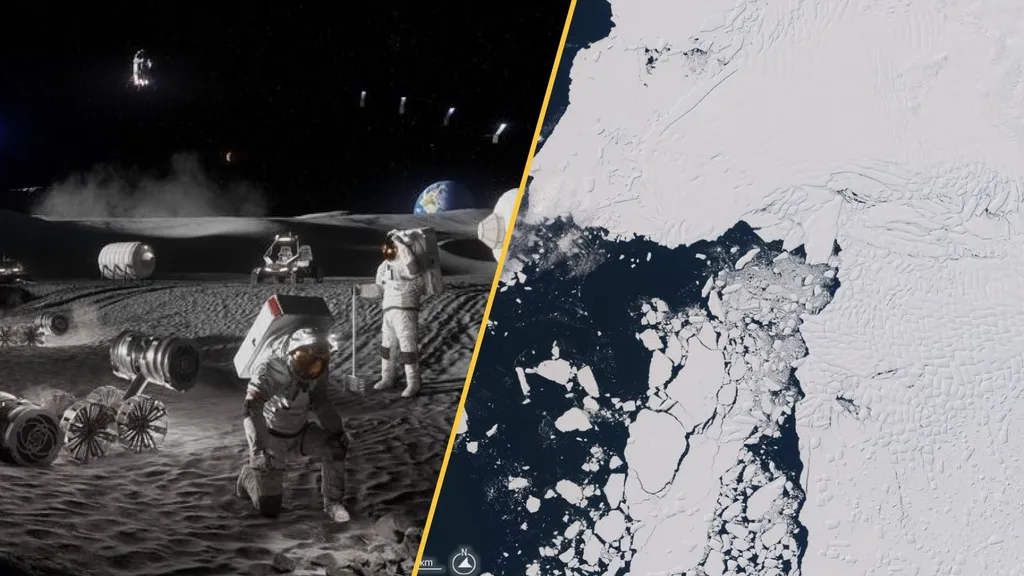
This week in science news, NASA's plans for a moon base were overshadowed by the explosion of a rocket during a test. The Doomsday Glacier is facing significant ice loss, and a new hybrid quantum computer AI has shown promising results. Additionally, the ongoing war in Iran is exacerbating the country's water crisis.
- ▪NASA's moon base plans are facing delays due to a rocket explosion during a static test.
- ▪The Doomsday Glacier is on the verge of losing its ice shelf, raising concerns about climate change.
- ▪A hybrid quantum computer AI has demonstrated the ability to solve complex questions that traditional models could not.
Opening excerpt (first ~120 words) tap to expand
Science news this week: Exploding rocket overshadows NASA's next steps to the moon, 'Doomsday Glacier' faces big loss, quantum computer AI hybrid shows impressive results, and war deepens Iran's water crisis May 30, 2026: Our weekly roundup of the latest science in the news, as well as a few fascinating articles to keep you entertained over the weekend By Ben Turner published 30 May 2026 in News When you purchase through links on our site, we may earn an affiliate commission. Here’s how it works. NASA's moon plans overshadowed by gigantic rocket explosion, the Doomsday Glacier's ice shelf near collapse, a quantum computer AI hybrid, and Iran's water crisis.
…
Excerpt limited to ~120 words for fair-use compliance. The full article is at Live Science.
Discussion
0 commentsMore from Live Science