
Satellites May Be Driving a Concerning New Form of Atmospheric Pollution
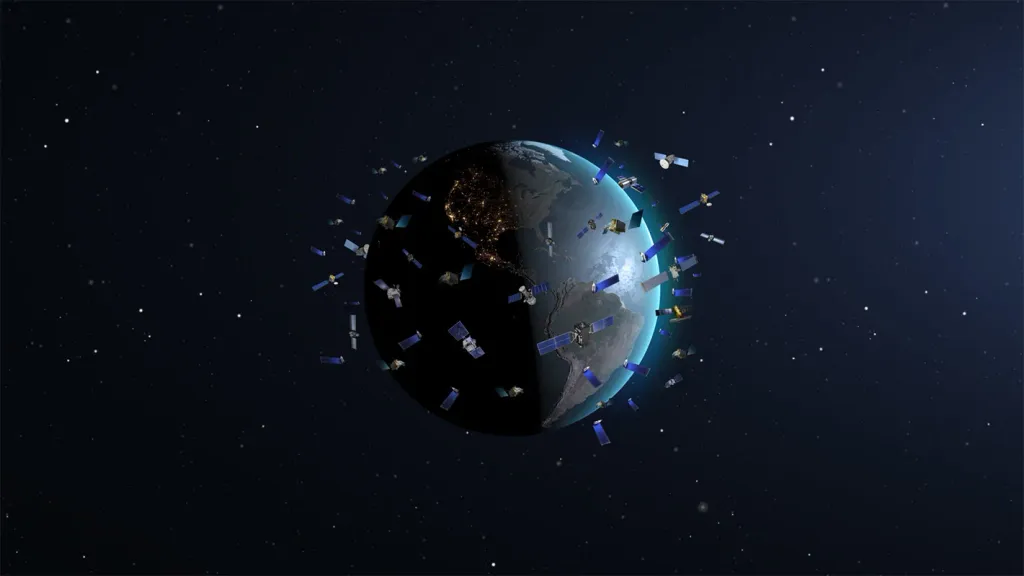
Researchers from University College London have identified satellites as a significant source of atmospheric pollution, with a climate impact 500 times greater than ground emissions. The study highlights that pollution from satellite launches and reentries is accumulating in the upper atmosphere, potentially blocking sunlight. By the end of the decade, nearly half of this pollution is expected to come from satellite megaconstellations launched since 2019.
- ▪Satellites contribute to atmospheric pollution primarily through rocket launches rather than their own exhaust.
- ▪Carbon soot from discarded rocket bodies and dead satellites has a long atmospheric lifespan, leading to a greater environmental impact.
- ▪By 2029, megaconstellations are projected to account for 42% of the climate impact from satellite-related pollution.
Opening excerpt (first ~120 words) tap to expand
Satellites are creating a massive pollution problem, according to University College London researchers, who say the growing atmospheric carbon source has a 500 times greater climate impact than ground-based emissions, potentially blocking the Sun. In a recent paper published in the journal Earth’s Future, researchers demonstrate that satellites are driving a significant rise in upper-atmosphere pollution, raising concerns related to the ongoing climate crisis. By the end of this decade, almost half of this pollution will come from satellite megaconstellations launched since 2019, the researchers claim.
…
Excerpt limited to ~120 words for fair-use compliance. The full article is at The Debrief.
Discussion
0 commentsMore from The Debrief


