Running a VPN Gateway on an ESP32
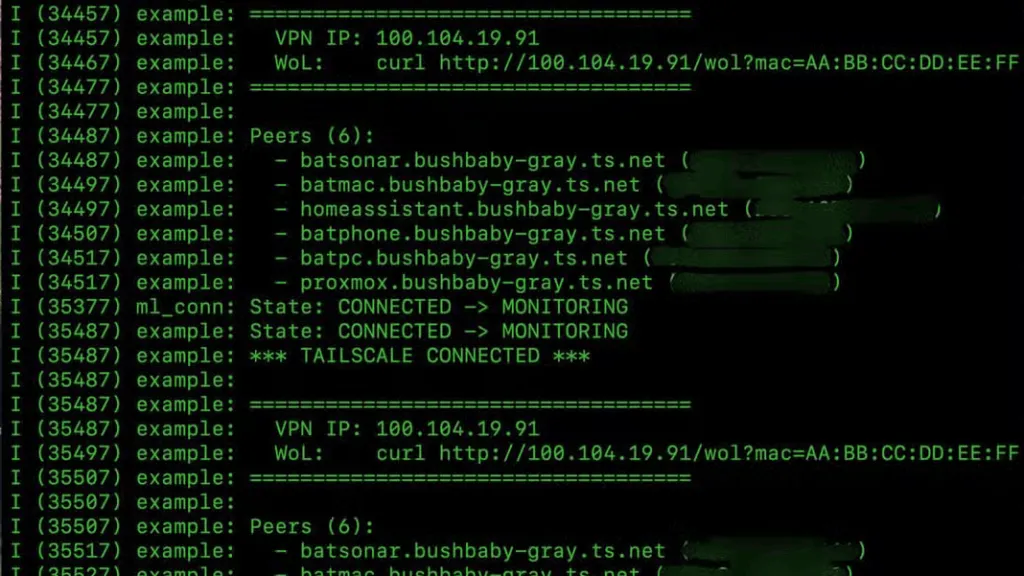
The article discusses using an ESP32-S3 as a VPN gateway, highlighting its advantages over a Raspberry Pi Zero. It mentions the MicroLink project, which allows the ESP32 to function as a Tailscale client. While the setup process is more time-consuming, the ESP32 offers benefits like faster boot times and lower power consumption.
- ▪The ESP32-S3 can serve as a VPN gateway, comparable to a Raspberry Pi Zero.
- ▪It boots in two seconds and consumes only 0.5 Watts of power.
- ▪The setup process for the ESP32 as a Tailscale client takes several hours due to memory management requirements.
Opening excerpt (first ~120 words) tap to expand
Running A VPN Gateway On An ESP32 No comments by: Aaron Beckendorf May 18, 2026 Title: Copy Short Link: Copy If you need a VPN gateway to access your home network, the fastest and most cost-effective way is probably by using a Raspberry Pi Zero. But in [Samir Makwana]’s view, an ESP32-S3 is just as capable for moderate use, and in some respects even superior. This was possible thanks to the MicroLink project, which is a full implementation of a Tailscale client for the ESP32 family. In some ways the ESP32 worked better than a Raspberry Pi: it boots in two seconds rather than thirty, draws 0.5 Watts rather than 1.5, and there’s no chance of it failing due to a corrupted SD card.
…
Excerpt limited to ~120 words for fair-use compliance. The full article is at Hackaday.
Discussion
0 commentsMore from Hackaday