Routine vaccines may cut dementia risk–experts have startling hypothesis on how
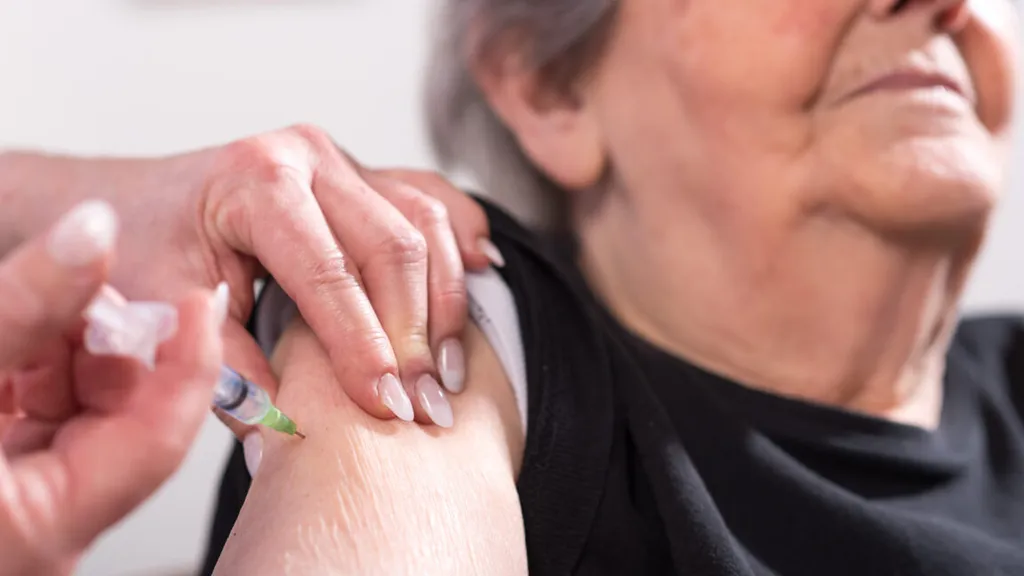
Experts are exploring a hypothesis that routine vaccines may reduce the risk of dementia by training a previously untrainable part of the immune system. Vaccines for various diseases, including shingles, have shown a strong connection to lower dementia risks. This emerging understanding could enhance our knowledge of immune systems and open new avenues for dementia treatment and prevention.
- ▪Routine vaccines have been linked to lower risks of dementia.
- ▪Vaccines against shingles show one of the strongest connections to reduced dementia risk.
- ▪The hypothesis suggests that vaccines may train the innate immune system, which was previously thought to be untrainable.
Opening excerpt (first ~120 words) tap to expand
A hypothesis Routine vaccines may cut dementia risk—experts have startling hypothesis on how Vaccines may be training a part of our immune system long thought to be untrainable. Beth Mole – May 15, 2026 10:01 am | 111 Nurse giving an injection to senior woman Credit: Getty | thodonal Nurse giving an injection to senior woman Credit: Getty | thodonal Text settings Story text Size Small Standard Large Width * Standard Wide Links Standard Orange * Subscribers only Learn more Minimize to nav More and more routine vaccines are being linked to lower risks of dementia. Shots against seasonal flu, RSV, tetanus, diphtheria, and pertussis (Tdap), pneumococcal infections, hepatitis A and B, and typhoid have all been linked to lower risks.
…
Excerpt limited to ~120 words for fair-use compliance. The full article is at Ars Technica.
Discussion
0 commentsMore from Ars Technica