Robust Skulls May be Why <em>T. rex</em> and Other Theropods Have Those Unusually Small Arms
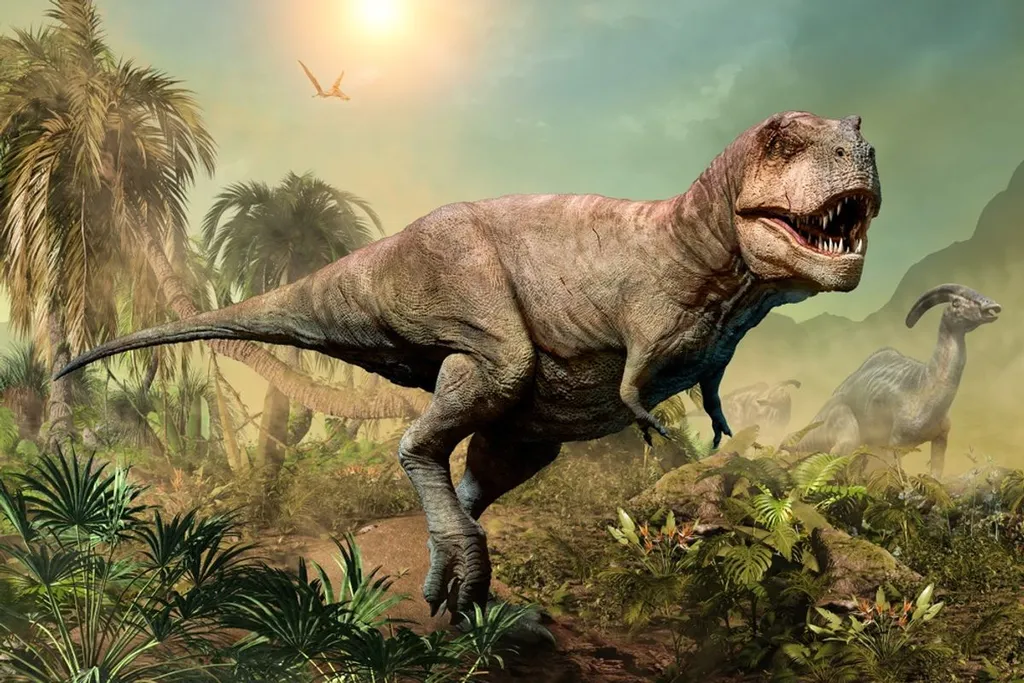
Research from the University of California suggests that the small arms of T. rex and other theropods may be linked to their evolution of larger skulls and jaws. The study analyzed 82 theropod species and found a correlation between smaller forelimbs and robust skulls. This adaptation may have been driven by the need to effectively hunt larger prey.
- ▪T. rex's arms were only about 3 feet long, comparable to a 6-foot-tall human with 5-inch arms.
- ▪The research team analyzed data on 82 theropod species and identified five groups with forelimb shortening.
- ▪Smaller arms were associated with the development of larger, more powerful skulls and jaws rather than overall body size.
Opening excerpt (first ~120 words) tap to expand
Tyrannosaurus rex was one of the mightiest predators of its time. This theropod grew to be about 45 feet long, and with its large, sharp teeth and wide, powerful jaws, it must have been a sight to behold. The only thing that didn’t feel so mighty about this predator was its small arms. According to a report from the University of California, T. rex's arms were only about 3 feet long. For comparison, this would be like a 6-foot-tall adult human with 5-inch arms. Though these smaller arms may not have provided much predatory advantage, T. rex and other theropods didn't need them as they evolved larger skulls and jaws.
…
Excerpt limited to ~120 words for fair-use compliance. The full article is at Discover Magazine.
Discussion
0 commentsMore from Discover Magazine