Resource dominance reshaping Trump’s rivalry with China
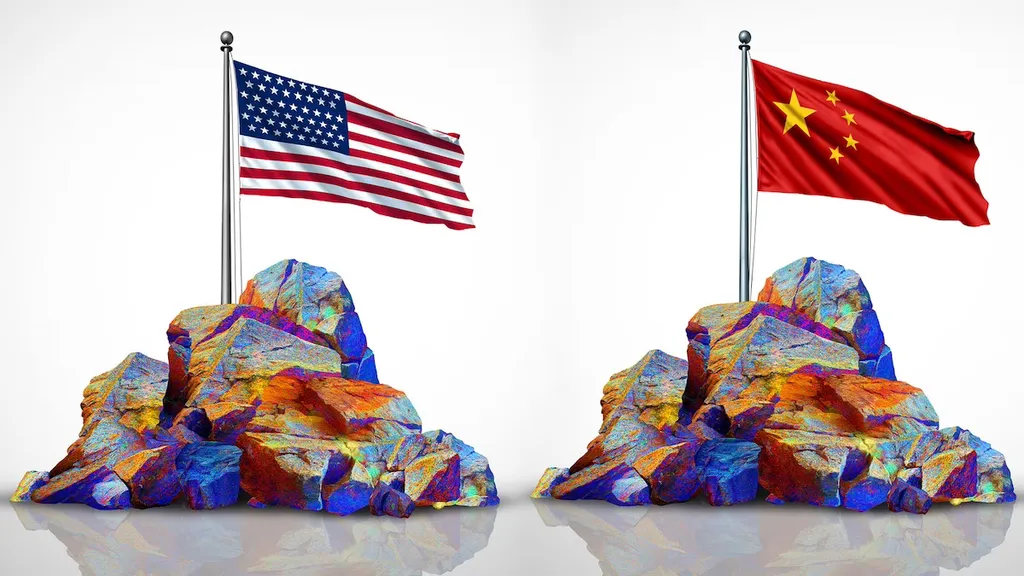
The recent Trump-Xi summit highlighted the growing significance of resource diplomacy in global geopolitics. China committed to purchasing substantial amounts of US agricultural products and increasing oil imports, while the US aims to secure its own critical mineral supply chains. This shift reflects a broader strategy where resources are viewed as tools of geopolitical leverage rather than mere commodities.
- ▪China agreed to purchase at least US$17 billion annually in US agricultural products through 2028.
- ▪The US administration views resource dependency as a vulnerability and resource dominance as a geopolitical advantage.
- ▪Washington is pursuing a policy of critical mineral securitization to reduce reliance on China.
Opening excerpt (first ~120 words) tap to expand
The recent Trump-Xi summit in Beijing revealed how deeply commodities have become embedded in 21st-century geopolitics. Far beyond a conventional trade negotiation, the summit effectively showcased the emergence of resource diplomacy as a central organizing principle of great-power competition. According to White House statements, China agreed to purchase at least US$17 billion annually in US agricultural products through 2028, supplementing earlier soybean agreements concluded in 2025. Beijing also reportedly committed to restoring market access for American beef and poultry. Separately, US officials earlier claimed that Beijing had agreed to increase purchases of US oil in response to the ongoing instability around the Strait of Hormuz.
…
Excerpt limited to ~120 words for fair-use compliance. The full article is at Asia Times.
Discussion
0 commentsMore from Asia Times