Rapatronic Camera
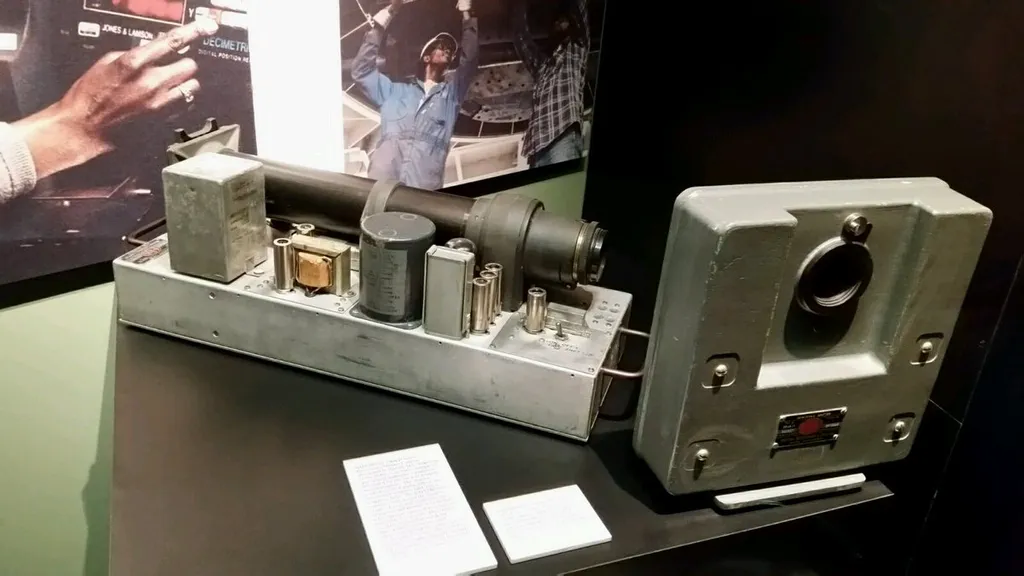
The Rapatronic camera is a high-speed camera developed in the 1940s by Harold Edgerton, capable of capturing images with exposure times as brief as 10 nanoseconds. It was primarily used to photograph nuclear explosions, allowing for the documentation of rapidly changing phenomena. The camera employs a unique shutter mechanism using polarizing filters and a Faraday cell to achieve its high-speed capabilities.
- ▪The Rapatronic camera can record still images with exposure times as short as 10 nanoseconds.
- ▪It was first utilized to capture images of nuclear explosions within milliseconds of detonation.
- ▪The camera uses two polarizing filters and a Faraday cell to overcome the limitations of conventional mechanical shutters.
Opening excerpt (first ~120 words) tap to expand
Toggle the table of contents Rapatronic camera 8 languages ČeštinaDeutschEspañolفارسیSuomiItalianoPolskiPortuguês Edit links ArticleTalk English ReadEditView history Tools Tools move to sidebar hide Actions Read Edit View history General What links hereRelated changesUpload filePermanent linkPage informationCite this pageGet shortened URL Print/export Download as PDFPrintable version In other projects Wikimedia CommonsWikidata item Appearance move to sidebar hide From Wikipedia, the free encyclopedia High-speed camera with an exposure time as brief as 10 nanoseconds Original Rapatronic Camera on display at the National Atomic Testing Museum in Las Vegas, NV.
…
Excerpt limited to ~120 words for fair-use compliance. The full article is at Wikipedia.