Physics explains why gold stays pristine
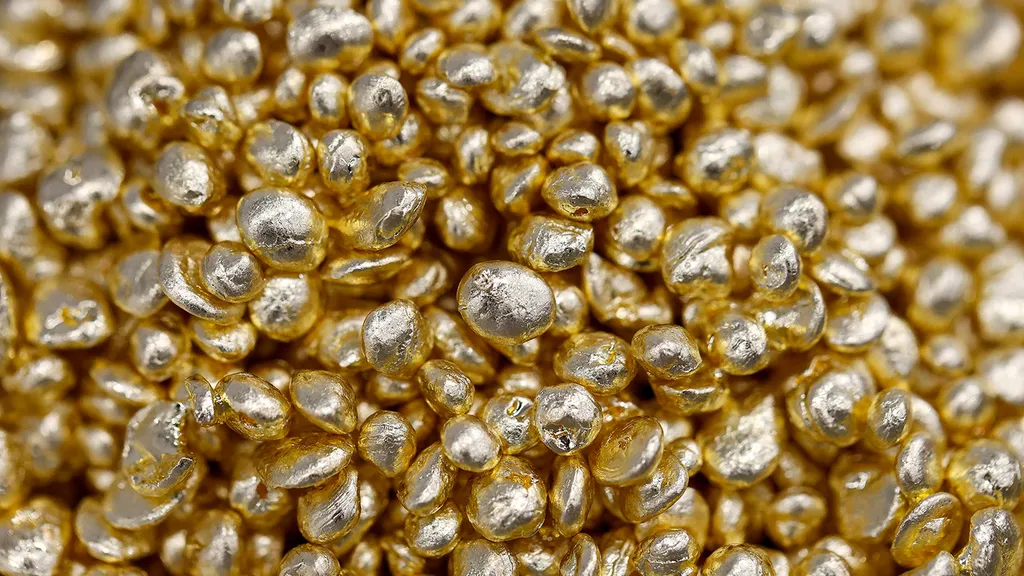
Scientists have discovered why gold remains pristine and does not oxidize like other metals. The arrangement of atoms on gold's surface prevents reactions with oxygen, which is responsible for tarnishing in other metals. This understanding could have implications for various applications in materials science.
- ▪Gold does not react with air, unlike metals such as steel and copper.
- ▪Researchers found that the surface atoms of gold rearrange in a way that hinders oxidation.
- ▪Without this atomic rearrangement, gold would begin to oxidize within seconds.
Opening excerpt (first ~120 words) tap to expand
News Physics Physics explains why gold stays pristine Rearrangement of atoms on the metal’s surface helps prevent reactions with oxygen Unlike other metals, which oxidize in air, gold (pictured) doesn't react. Now scientists have a better understanding of why. Bloomberg Creative/Getty Images By Emily Conover 4 minutes ago Share this:Share Share via email (Opens in new window) Email Share on Facebook (Opens in new window) Facebook Share on Reddit (Opens in new window) Reddit Share on X (Opens in new window) X Print (Opens in new window) Print Steel rusts over time; copper goes green. But gold seems impervious to the elements. Scientists have now discovered a new detail behind how gold stays so pristine.
…
Excerpt limited to ~120 words for fair-use compliance. The full article is at Science News.
Discussion
0 commentsMore from Science News