Perfidious empire
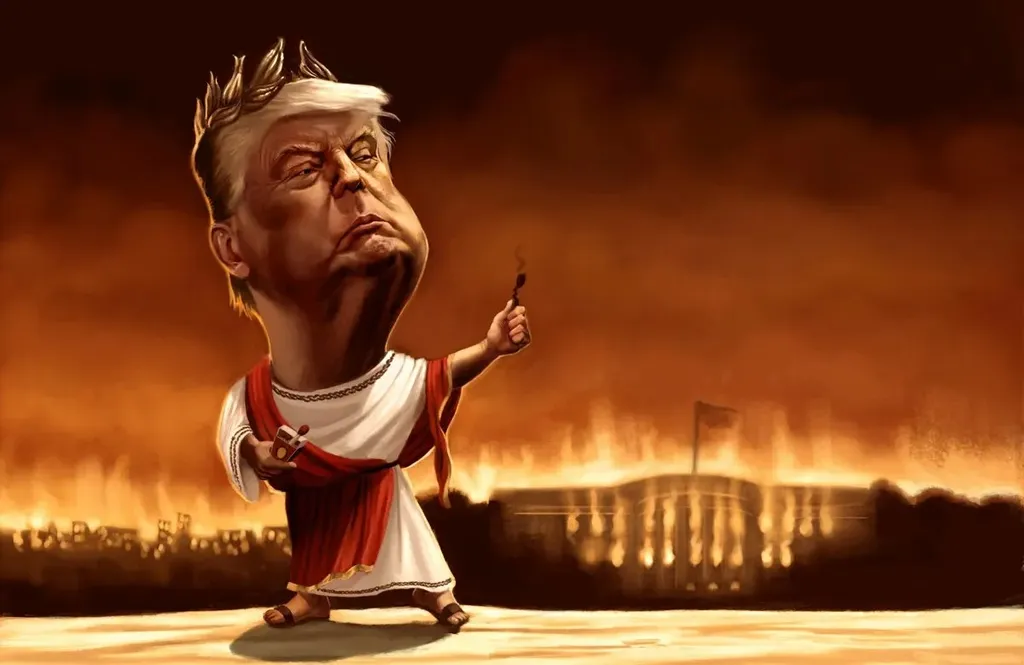
The article discusses the concept of perfidy in the context of international relations, particularly focusing on the assassination of Iranian leaders during negotiations. It argues that such actions constitute a violation of wartime ethics as defined by the Geneva Conventions. The piece reflects on historical instances of perfidy and its implications for future conflicts involving the United States.
- ▪The assassination of Iran's leadership during negotiations is described as perfidy, a war crime under the Geneva Conventions.
- ▪Perfidy occurs when deception is used to gain an enemy's trust, followed by a hostile act.
- ▪The article suggests that the United States and Israel conducted a cost-benefit analysis leading to their actions against Iran.
Opening excerpt (first ~120 words) tap to expand
Tell me lies, tell me sweet little lies Tell me lies Tell me, tell me lies Oh no-no, you can’t disguise – Fleetwood Mac Perfidy. There is no other word to describe the assassination of Iran’s leadership while negotiations were ongoing. It does not matter how evil they were, nor how juicy the window of opportunity was, nor how free the Iranian people will become – killing adversaries during negotiations is perfidy. Perfidy, the war crime, has a specific definition under the Geneva Conventions. An act constitutes perfidy when two conditions are met: 1. Deception: Feigning protected status to gain an enemy’s trust. 2. Hostile act: Using the established trust to kill, injure or capture the adversary. False surrender, faking wounds, dishonest use of protected emblems (e.g.
…
Excerpt limited to ~120 words for fair-use compliance. The full article is at Asia Times.
Discussion
0 commentsMore from Asia Times