‘Perfect Storm’: How Trump's Aid Cuts Are Fueling the Ebola Outbreak
The Ebola outbreak in central and East Africa is exacerbated by cuts to foreign aid from the Trump administration. Health workers report shortages of essential medical supplies, which hampers the response to the crisis. Experts warn that without immediate action, the situation could worsen significantly.
- ▪The World Health Organization declared the Ebola outbreak an emergency on May 16.
- ▪As of May 19, there were over 530 confirmed cases and 134 deaths from the outbreak.
- ▪Cuts to USAID and the CDC have severely impacted the response to the Ebola outbreak.
Opening excerpt (first ~120 words) tap to expand
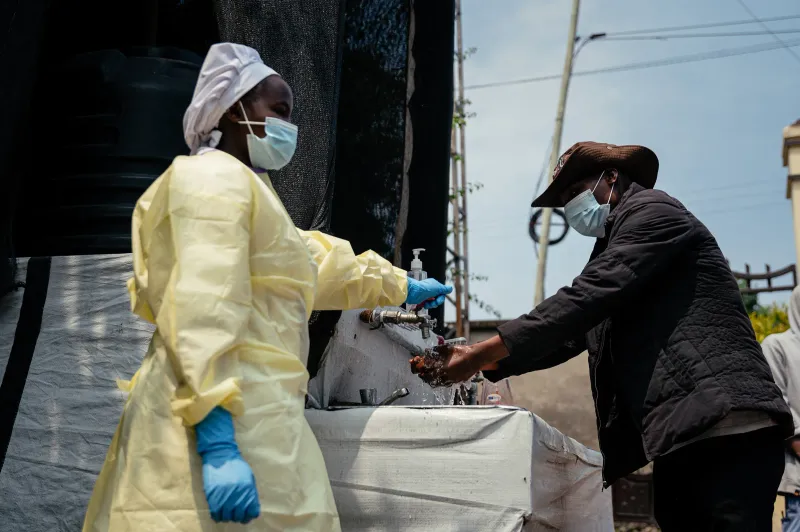
Kate KnibbsLeah FeigerScienceMay 20, 2026 9:16 AM‘Perfect Storm’: How Trump's Aid Cuts Are Fueling the Ebola OutbreakOne health provider who works on the ground says that basic medical equipment like masks and hand sanitizers are in short supply due to funding cuts.Photograph: JOSPIN MWISHA/Getty ImagesCommentLoaderSave StorySave this storyCommentLoaderSave StorySave this storyAs an Ebola outbreak rages in central and East Africa, public health workers say that the response has been stymied by the Trump administration’s cuts to foreign aid and global health organizations.“We are no longer able to get some supplies,” Amadou Bocoum, Democratic Republic of Congo country director for the anti-poverty nonprofit CARE, tells WIRED.
…
Excerpt limited to ~120 words for fair-use compliance. The full article is at WIRED.
Discussion
0 commentsMore from WIRED