Pakistan’s moment in the Sun: Can it really end the Iran war?
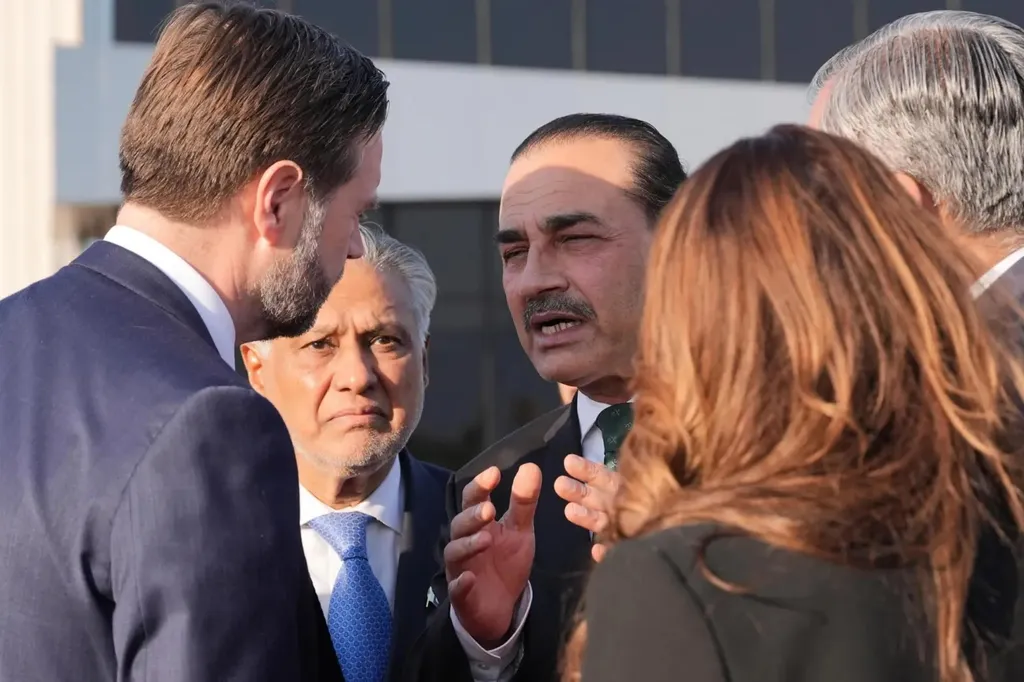
Pakistan is attempting to mediate between the U.S. and Iran, leveraging its unique position and relationships. While it has facilitated some discussions, the underlying issues remain complex and unresolved. The effectiveness of Pakistan's mediation is uncertain, as it faces significant challenges in addressing the demands placed on Iran.
- ▪Pakistan shares a 900-kilometer border with Iran and has cultivated a transactional relationship with its neighbor.
- ▪The April 8 ceasefire was facilitated by Pakistan, which carried the American proposal to Tehran and hosted talks.
- ▪The American proposal demands significant concessions from Iran, which may be unacceptable to the Islamic Republic.
Opening excerpt (first ~120 words) tap to expand
In the gilded conference rooms of Islamabad, where Field Marshal Asim Munir has lately played host to American envoys and Iranian diplomats alike, one can almost hear the echoes of an older diplomatic theater — Oslo, Camp David, even the Geneva of 1985. The casting is unfamiliar but the script is the same: a junior power, suddenly indispensable, shuttling between two adversaries who cannot yet bring themselves to speak directly. The proposition that Washington’s commentariat is now being asked to swallow whole is that Pakistan — that perennially fragile, perpetually broke nuclear state on the Indus — is about to deliver what five decades of American statecraft could not. Color me unconvinced.
…
Excerpt limited to ~120 words for fair-use compliance. The full article is at Asia Times.
Discussion
0 commentsMore from Asia Times