One mystery of the Great Pyramid’s longevity has finally been solved
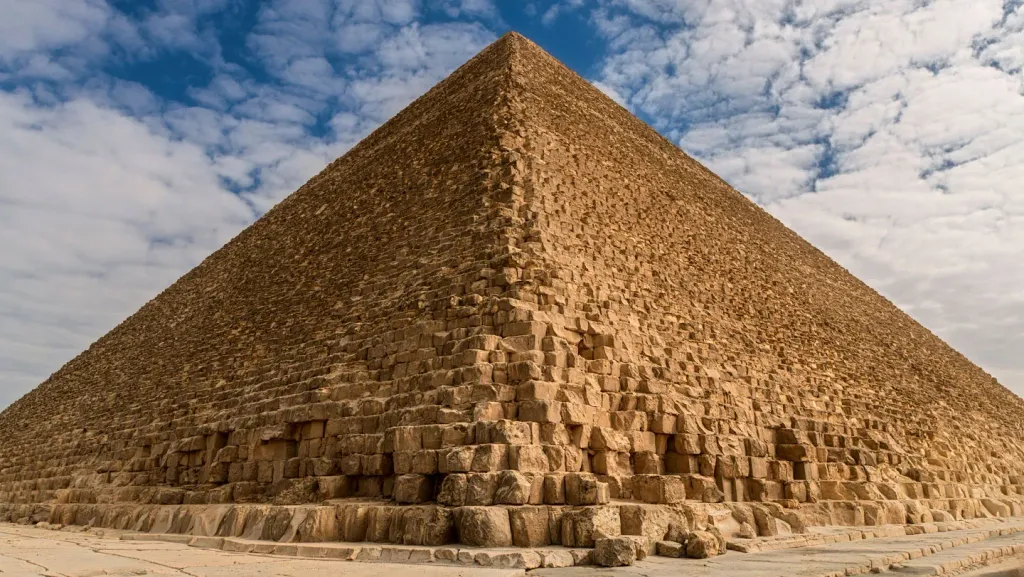
A recent study has revealed why Egypt's Great Pyramid of Giza has remained intact for nearly 5,000 years despite earthquakes. The pyramid's unique shape and internal design allow it to vibrate at a different frequency than the surrounding soil, reducing the impact of seismic activity. This research provides valuable insights into the architectural resilience of ancient structures.
- ▪The Great Pyramid has withstood earthquake damage for almost 5,000 years.
- ▪Its ability to resist seismic damage is attributed to its shape and internal design.
- ▪The pyramid vibrates at a different frequency compared to the surrounding soil, preventing excessive shaking.
Opening excerpt (first ~120 words) tap to expand
News Archaeology One mystery of the Great Pyramid’s longevity has finally been solved Design and material choices help the nearly 5,000-year-old monument resist temblors Egypt’s Great Pyramid, where the Pharaoh Khufu is entombed, has withstood damage from earthquakes due to a combination of its shape, internal design and building materials, according to a new study. Nicola Micheletti/Moment/Getty Images By Skyler Ware 55 seconds ago Share this:Share Share via email (Opens in new window) Email Share on Facebook (Opens in new window) Facebook Share on Reddit (Opens in new window) Reddit Share on X (Opens in new window) X Print (Opens in new window) Print Egypt’s Great Pyramid of Giza has resisted earthquake damage for nearly 5,000 years, and scientists finally know why.
…
Excerpt limited to ~120 words for fair-use compliance. The full article is at Science News.
Discussion
0 commentsMore from Science News