Oil prices rise as U.S. and Iran appear locked in a costly stalemate
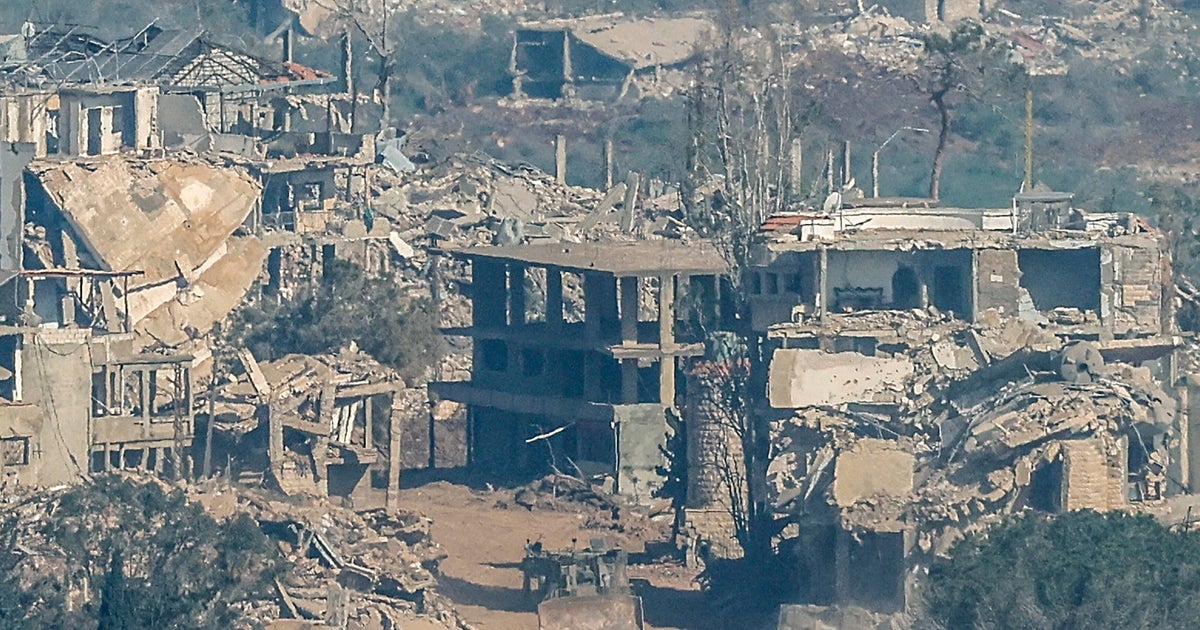
Energy prices keep rising with no sign of progress toward a deal to end the U.S.-Iran standoff and Hezbollah rejecting the Lebanon ceasefire.
Full article excerpt tap to expand
Live Live Updates: Oil prices rise as U.S. and Iran appear locked in a costly stalemate By Tucker Reals, Tucker Reals Editor Tucker Reals is CBSNews.com's foreign editor, based in the CBS News London bureau. He has worked for CBS News since 2006, prior to which he worked for The Associated Press in Washington, D.C., and London. Read Full Bio Tucker Reals, Emily Mae Czachor Emily Mae Czachor News Editor Emily Mae Czachor is a reporter and news editor at CBSNews.com. She typically covers breaking news, extreme weather and issues involving social justice. Emily Mae previously wrote for outlets like the Los Angeles Times, BuzzFeed and Newsweek. Read Full Bio Emily Mae Czachor Updated on: April 28, 2026 / 1:33 AM EDT / CBS News Add CBS News on Google What to know about the Iran war today:Iran has offered a deal to reopen the Strait of Hormuz to commercial shipping if the U.S. drops its military blockade of Iranian ports and vessels, sources tell CBS News. But the offer apparently includes no concessions on Iran's nuclear program, which President Trump has insisted must be dismantled as part of any agreement to end the two-month war. Hezbollah's leader has flatly rejected the U.S.-brokered negotiations between Israel and Lebanon, "and their outcomes," raising new doubt over the tenuous ceasefire in the parallel war and further complicating prospects for a U.S.-Iran deal.Mr. Trump abruptly called off plans over the weekend to send senior envoys to Pakistan for a second round of direct talks with Iranian officials, insisting his administration has "all the cards" and if Tehran wants "to talk, they can come to us, or they can call us." The move has left prospects for the Pakistan-led diplomacy deeply in doubt, as Iran's foreign minister met with President Vladimir Putin in Russia on Monday. New Updates 51m ago South Korea probes syringe hoarding as war hits plastic makers Police in South Korea said Tuesday they were investigating companies suspected of hoarding medical syringes, as the Middle East war hits supplies of an oil-derived component crucial for making many plastic goods. The U.S.-Israeli strikes on Iran and the virtual closure of the Strait of Hormuz have rattled deliveries of naphtha, a liquid essential for making a key ingredient in many medical supplies. The disruption has affected petrochemical sectors in Asia in particular and forced governments to take action, with Seoul imposing a ban this month on hoarding syringes and needles, to guard against shortages. The Seoul Metropolitan Police Agency told AFP on Tuesday that it "promptly began an investigation" into four medical device distributors suspected of violating the ban, following a complaint by the food and drug safety ministry. The agency vowed to strengthen inspections across the supply chain to crack down on illicit behavior. Under the ban, companies must not hold more than 150 percent of last year's average monthly sales volume in syringes and needles for five days or longer, or refuse sales without a valid reason. But some firms appear to be exploiting the supply crunch by stockpiling syringes and selling them at higher prices, according to the ministry. More than half of South Korea's naphtha imports last year came via the Strait of Hormuz, according to the presidential office. President Lee Jae Myung pledged in a social media post on Saturday to take the "strongest possible" action against "antisocial behaviour that exploits community crises to worsen them and profit…
This excerpt is published under fair use for community discussion. Read the full article at Cbsnews.
Discussion
0 commentsMore from Cbsnews