Norms must govern places of worship or risk ‘anarchy’, Chishti–Nizami descendant says in Sabarimala case
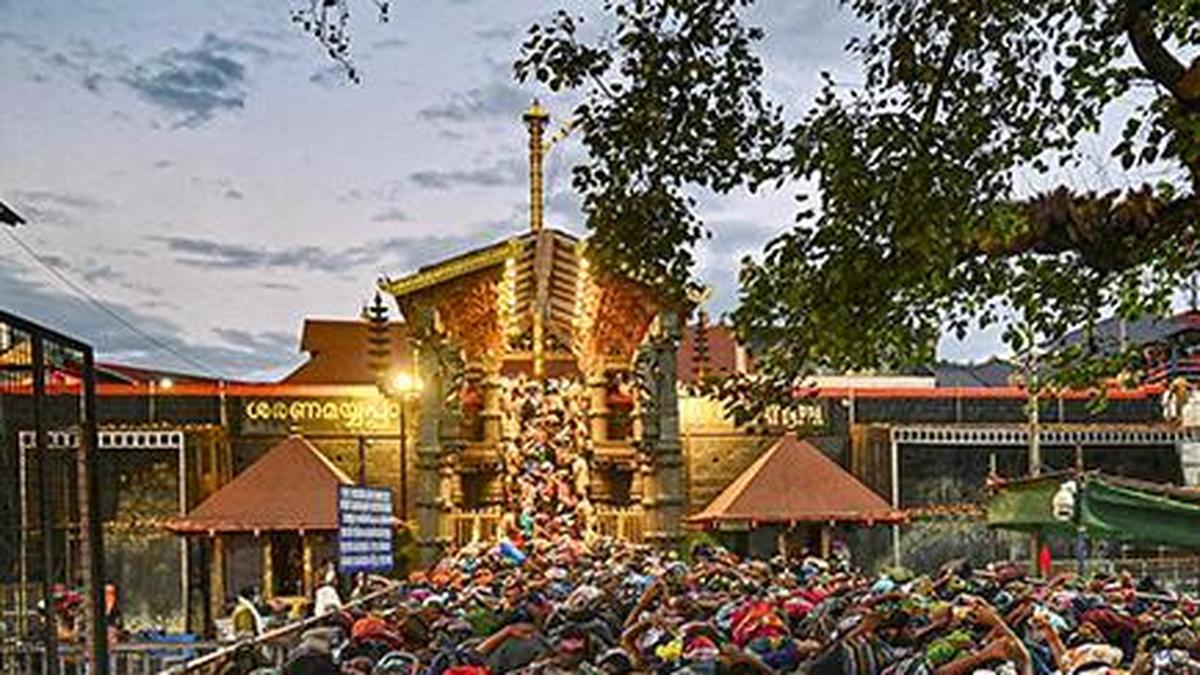
Syed Altamash Nizami, a descendant of the Chishti–Nizami lineage linked to Delhi's Nizamuddin Dargah, told the Supreme Court that religious spaces must be governed by faith-based norms to prevent anarchy. He drew parallels between the sanctity of the dargah's basti and Sabarimala temple's hill, emphasizing believers' rights over third-party claims. Appearing before a nine-judge bench, he argued that places of worship cannot be subject to the whims of interlopers or tourists. His submission supported preserving religious traditions in sacred spaces.
Opening excerpt (first ~120 words) tap to expand
The direct descendant in the Chishti–Nizami lineage associated with the Dargah of Hazrat Khwaja Nizamuddin Aulia in Delhi found common ground with the devotees and foster family of Lord Ayyapa, the deity at Sabarimala temple in Kerala, when he submitted in the Supreme Court on Tuesday (April 28, 2026) that the faith of a believer could not yield to the whim of a third-party interloper or a tourist to walk into the sanctum sanctorum.Appearing before a nine-judge Constitution Bench headed by Chief Justice of India Surya Kant, Syed Altamash Nizami said the basti in which the dargah was located and the hill in which the Sabarimala temple was situated were unique in the minds of the believers.
Excerpt limited to ~120 words for fair-use compliance. The full article is at The Hindu.
Discussion
0 commentsMore from The Hindu