New recyclable protein textiles could cut microplastic pollution and lower clothing waste
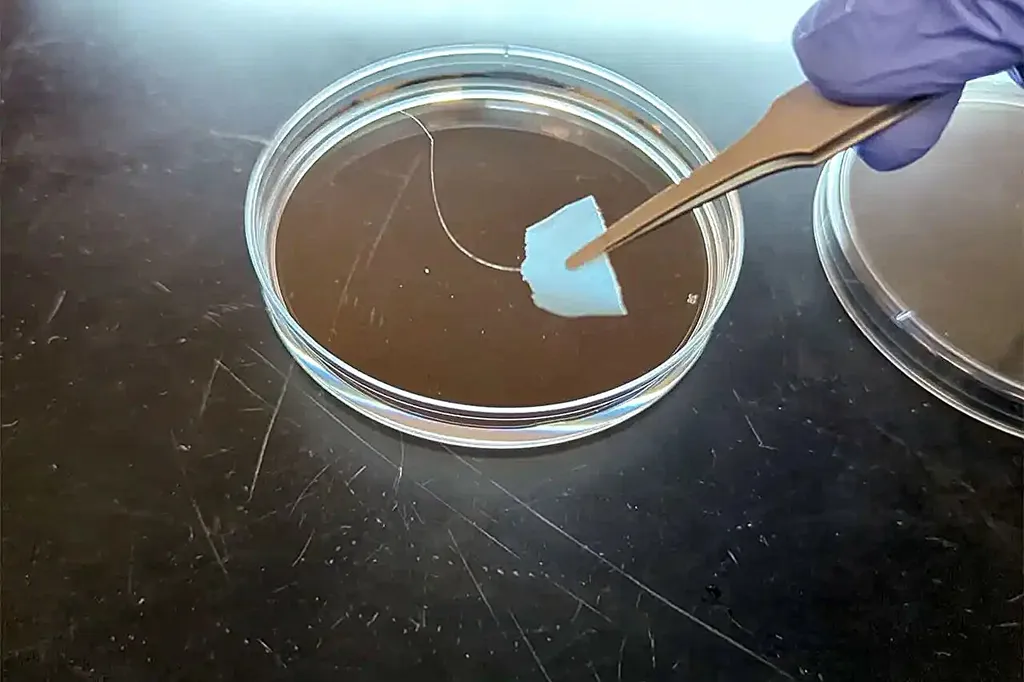
Engineers at Washington University in St. Louis have developed a new type of recyclable protein textile aimed at reducing microplastic pollution and clothing waste. These protein-based materials can be recycled multiple times without losing their strength, and any microparticles released during washing are biodegradable. This innovation could significantly improve sustainability in the textile industry, which currently struggles with high waste and pollution levels.
- ▪The textile industry generates a large amount of waste, with only about 12% of fiber materials being recycled.
- ▪Synthetic fibers shed microplastics during wash cycles, contributing to ocean pollution.
- ▪The new protein-based materials can be recycled using a formic acid solution, allowing for multiple reuse cycles.
Opening excerpt (first ~120 words) tap to expand
May 16, 2026 New recyclable protein textiles could cut microplastic pollution and lower clothing waste by Leah Shaffer, Washington University in St. Louis edited by Stephanie Baum, reviewed by Andrew Zinin Stephanie Baum Scientific Editor Meet our editorial team Behind our editorial process Andrew Zinin Lead Editor Meet our editorial team Behind our editorial process Editors' notes This article has been reviewed according to Science X's editorial process and policies. Editors have highlighted the following attributes while ensuring the content's credibility: fact-checked peer-reviewed publication trusted source proofread The GIST Add as preferred source Credit: Washington University in St.
…
Excerpt limited to ~120 words for fair-use compliance. The full article is at Phys.org.
Discussion
0 commentsMore from Phys.org