Nations to kick off world-first fossil fuel exit talks
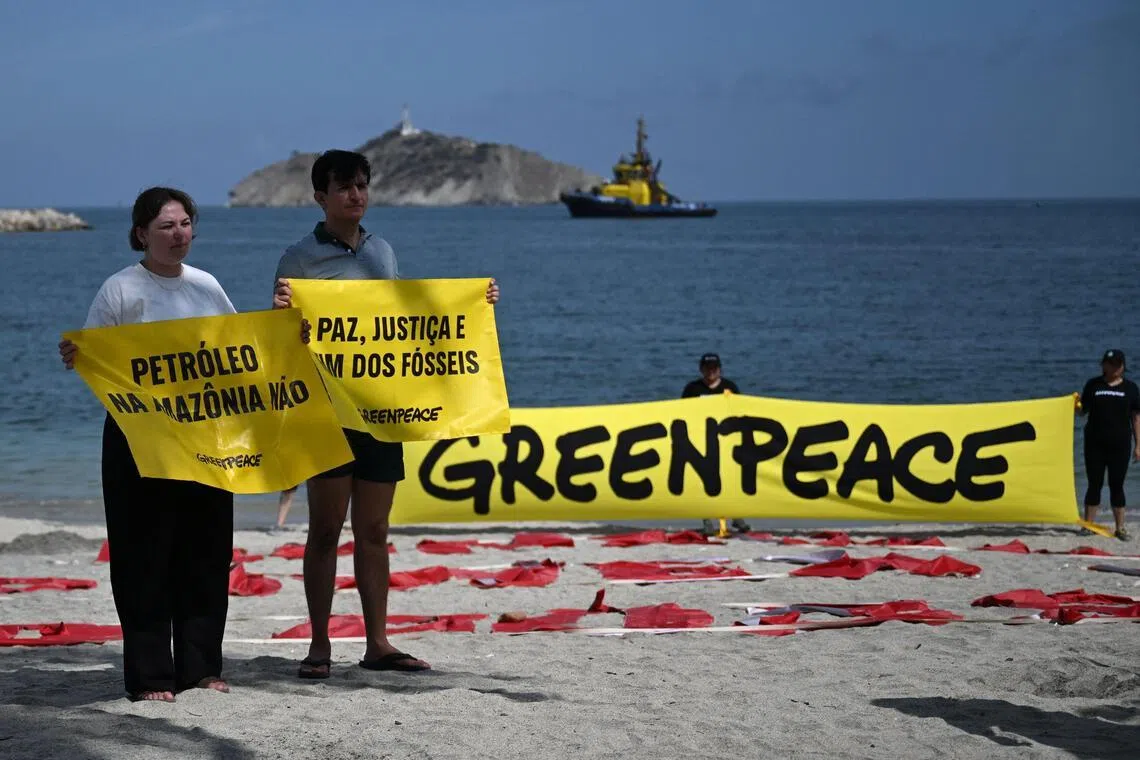
Climate activists and indigenous groups also protested against fossil fuels in the Caribbean town. Read more at straitstimes.com. Read more at straitstimes.com.
Full article excerpt tap to expand
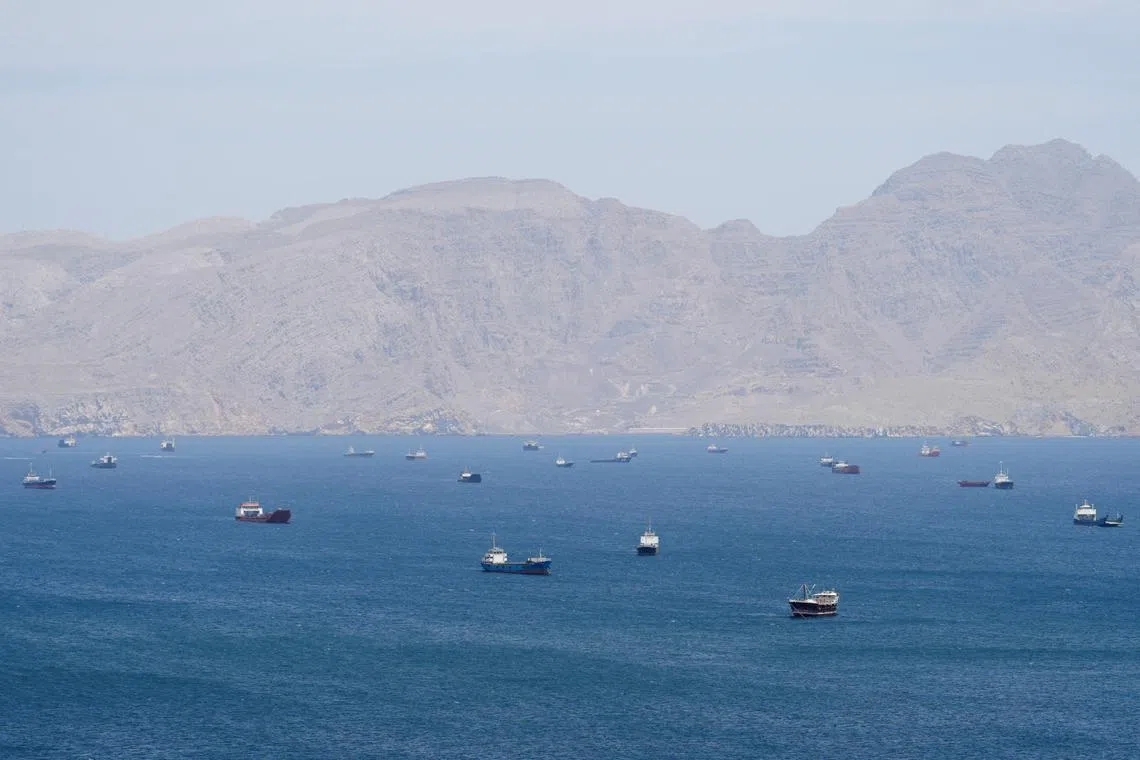
Nations to kick off world-first fossil fuel exit talksSign up now: Get ST's newsletters delivered to your inboxOn the list of attendees are major fossil fuel producers Canada, Norway and Australia and developing oil giants Nigeria, Angola and Brazil.PHOTO: AFPPublished Apr 28, 2026, 11:18 AMUpdated Apr 28, 2026, 12:51 PMListenSANTA MARTA, Colombia – More than 50 governments will meet in Colombia on April 28 against the backdrop of the Iran war and a global energy crunch for the first international talks on phasing out planet-heating fossil fuels. Ministers and climate envoys aim to revive the transition from fossil fuels at the inaugural conference in Santa Marta, one of the country’s busiest coal hubs in a nation heavily reliant on energy exports.The two-day conference bypasses the United Nations climate talks and reflects a growing impatience with its failure to tackle fossil fuels, the main driver of global warming.“People seem refreshed to be able to talk about these issues without having to sort of argue the existential question of – do we need to do this at all?” British special climate envoy Rachel Kyte told AFP in Santa Marta on April 27.As government delegates arrived on April 27, climate activists and indigenous groups protested against fossil fuels on the streets and beaches of the Caribbean port town where coal tankers dot the ocean horizon.The conference is not expected to produce binding commitments but a scientific panel has asked governments taking part to consider a halt on new fossil fuel expansion, among other proposals.On the list of attendees are major fossil fuel producers Canada, Norway and Australia and developing oil giants Nigeria, Angola and Brazil.They join major energy consuming nations in the EU, coal-reliant emerging markets Turkey and Vietnam, and small island nation states extremely vulnerable to climate shocks. The world’s biggest emitters of greenhouse gases – including the United States, China and India – are not attending, nor are oil-rich Gulf states.Good faithThe conference was announced late in 2025 but organisers say the US-Israel attacks on Iran had bolstered the case for a fossil fuel phaseout as nations confronted a sudden shortage of oil and gas.“Fossil fuels are now clearly to be seen as a source of instability,” Ms Kyte told AFP in an interview. Many nations “are here in good faith to really work through what is a very complex challenge made more urgent by the crisis,” she added.This includes developing nations highly dependent on fossil fuel revenue like Colombia, which is co-hosting the conference with the Netherlands. Among other agenda items, nations will consider how to equitably reduce fossil fuel production and consumption, and reforming subsidies that throw up barriers to renewable energy investment.Analysis by the International Institute for Sustainable Development on April 27 showed that governments still spent five times more public money on fossil fuels than renewable alternatives.Fossil fuel banOn April 26, a scientific panel released a 12-point “menu” of policy options that included “halting all new and expanding fossil fuel extraction and infrastructure projects”.“Without a doubt, there is no justification whatsoever for any new exploration of fossil fuels,” Brazilian scientist Carlos Nobre, a former member of the UN’s climate advisory panel, told AFP in Santa Marta.Even as record amounts of investment flows into renewable energy, scientists warn the pace is still too slow…
This excerpt is published under fair use for community discussion. Read the full article at Straits Times — World.
Discussion
0 commentsMore from Straits Times — World