Nanoscale device generates continuous electricity from evaporating water and some sunlight — paves the path for battery-free sensors, wearable electronics, and more
Researchers at EPFL have developed a nanoscale device that generates continuous electricity from evaporating water, using modest heat and sunlight. The hydrovoltaic system works with ordinary ion-containing water and does not require highly purified sources. This technology could enable battery-free sensors, wearable electronics, and other low-power autonomous devices.
- ▪The device generates electricity through evaporation-driven ion movement across silicon nanopillars.
- ▪It consists of three layers: an evaporating interface, an ion-transport region, and a nanostructured silicon electrode.
- ▪The system produces stable, continuous power and matches or exceeds performance of similar hydrovoltaic technologies.
- ▪It operates using common water sources such as tap water or seawater.
- ▪The research builds on a 2024 experimental platform designed to study the hydrovoltaic effect at the nanoscale.
Opening excerpt (first ~120 words) tap to expand
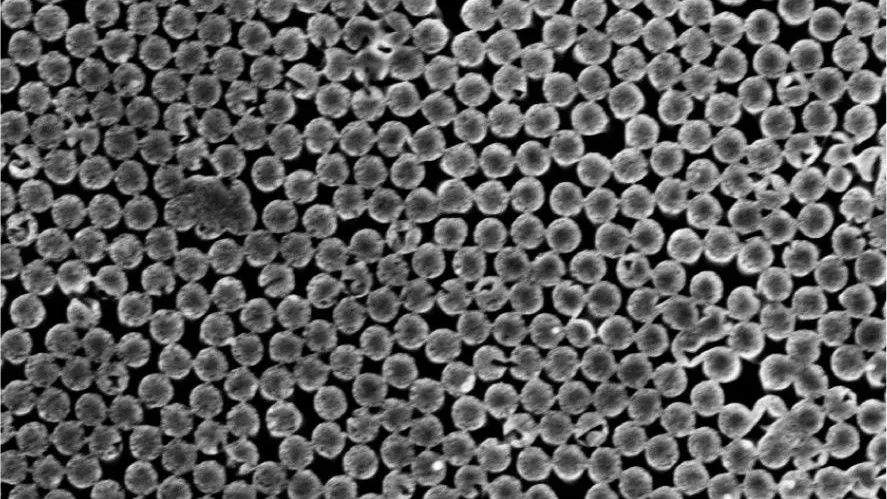
Tech Industry Nanoscale device generates continuous electricity from evaporating water and some sunlight — paves the path for battery-free sensors, wearable electronics, and more News By Etiido Uko published 29 April 2026 The technology may one day power autonomous low-power electronics When you purchase through links on our site, we may earn an affiliate commission. Here’s how it works. Scanning electron microscope image of the silicon nanopillars (Image credit: 2026 LNET EPFL) Copy link Facebook X Whatsapp Reddit Pinterest Flipboard Email Share this article 0 Join the conversation Follow us Add us as a preferred source on Google Newsletter Subscribe to our newsletter In a press release Researchers at the Laboratory of Nanoscience for Energy Technology (LNET) at the Ecole Polytechnique…
Excerpt limited to ~120 words for fair-use compliance. The full article is at Tom's Hardware.
Discussion
0 commentsMore from Tom's Hardware