Myanmar’s resource curse fueling its forever war
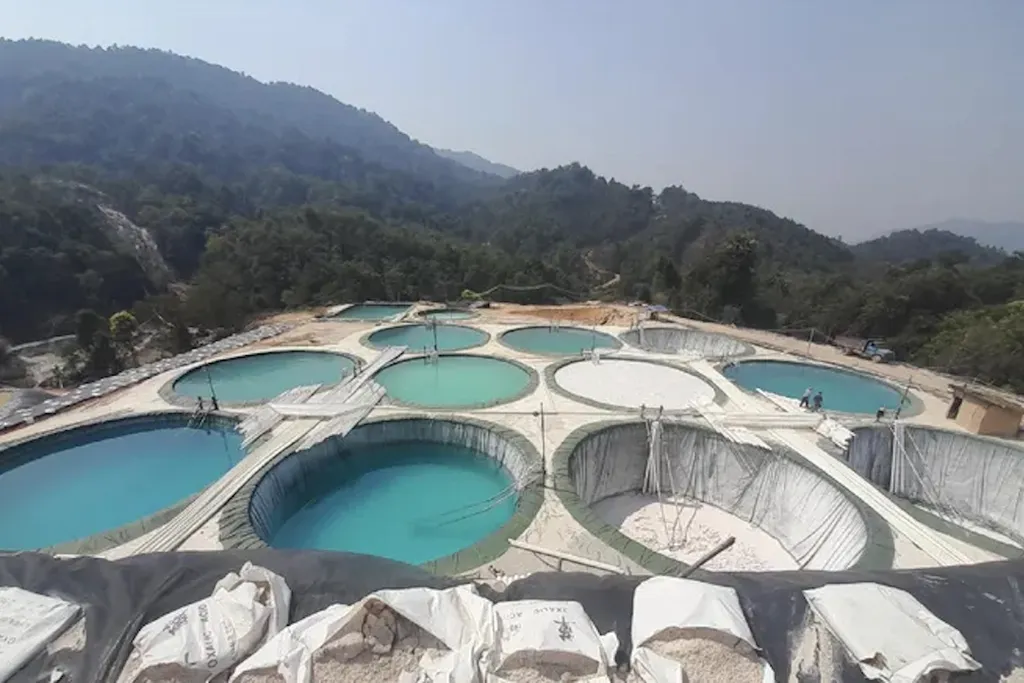
Myanmar's ongoing conflict is deeply rooted in its rich natural resources, which have fueled a perpetual war economy. The military regime has exploited these resources for its own gain, leading to a lack of accountability and public service. As a result, the wealth generated has not benefited the citizens but rather sustained violence and corruption.
- ▪Myanmar's crisis is driven by resource wealth, including jade, gas, and oil.
- ▪The military has maintained power by capturing revenue streams from state-owned enterprises and military-linked companies.
- ▪Natural resources have financed a permanent war economy, with citizens treated as subjects rather than stakeholders.
Opening excerpt (first ~120 words) tap to expand
Myanmar’s war is often described as a clash of ideologies, ethnic identities and competing visions of the state. That is true, but incomplete. At its core, Myanmar’s crisis is also a resource-driven conflict, intensified by geography. The generals did not cling to power for the symbolism of uniform and flag alone. They did so because Myanmar sits on jade, gas, oil, timber, minerals, rare earths, and hydropower potential, while occupying corridors that connect China and India to the Indian Ocean. Natural wealth should have helped Myanmar build a modern state. Instead, it has helped to finance a permanent war economy.
…
Excerpt limited to ~120 words for fair-use compliance. The full article is at Asia Times.
Discussion
0 commentsMore from Asia Times