Musk loses blockbuster OpenAI suit as jury says too late
A federal jury ruled that Elon Musk's lawsuit against OpenAI was filed too late, resulting in a victory for OpenAI's CEO Sam Altman. The jury found that Musk's claims were barred by statutes of limitations, preventing a deeper examination of the case's merits. This outcome spares OpenAI from potential legal threats that could have impacted its business operations and relationships with major investors.
- ▪Elon Musk sued OpenAI over its transition from a nonprofit to a for-profit entity.
- ▪The jury determined that Musk filed his lawsuit four years after his last donation, exceeding the statutory time limit.
- ▪The ruling protects OpenAI from having to revert to its nonprofit structure, which could have jeopardized its planned IPO.
Opening excerpt (first ~120 words) tap to expand
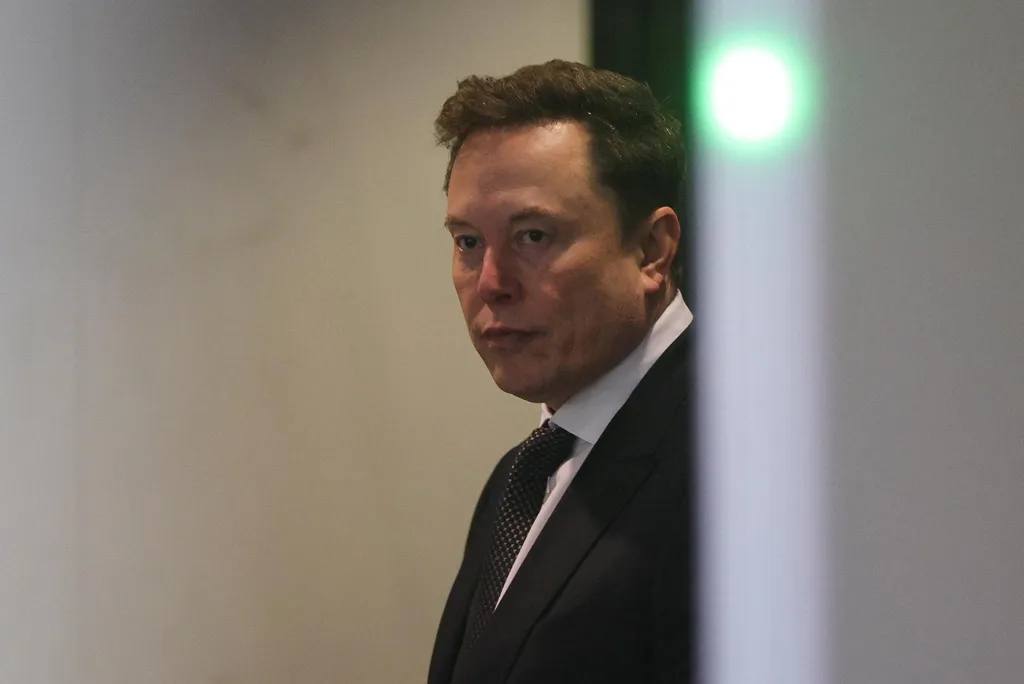
Elon Musk walks to attend the trial in his lawsuit over OpenAI for-profit conversion at a federal courthouse, in Oakland, California, on Apr. 29. Reuters-YonhapOAKLAND — A federal jury ruled Monday that Elon Musk waited too long to sue OpenAI and its co-founders, delivering a decisive victory to OpenAI CEO Sam Altman and ending one of Silicon Valley's most closely watched courtroom battles.The jury in Oakland federal court found that Musk's claims against Altman, OpenAI President Greg Brockman, The OpenAI Foundation and Microsoft were barred by relevant statutes of limitations, rejecting the billionaire's core arguments.Judge Yvonne Gonzalez Rogers, who had asked the jury to advise her on the matter, accepted and confirmed the verdict.The three-week trial saw a parade of tech titans take…
Excerpt limited to ~120 words for fair-use compliance. The full article is at Korea Times.
Discussion
0 commentsMore from Korea Times