Modern Hindu Temples
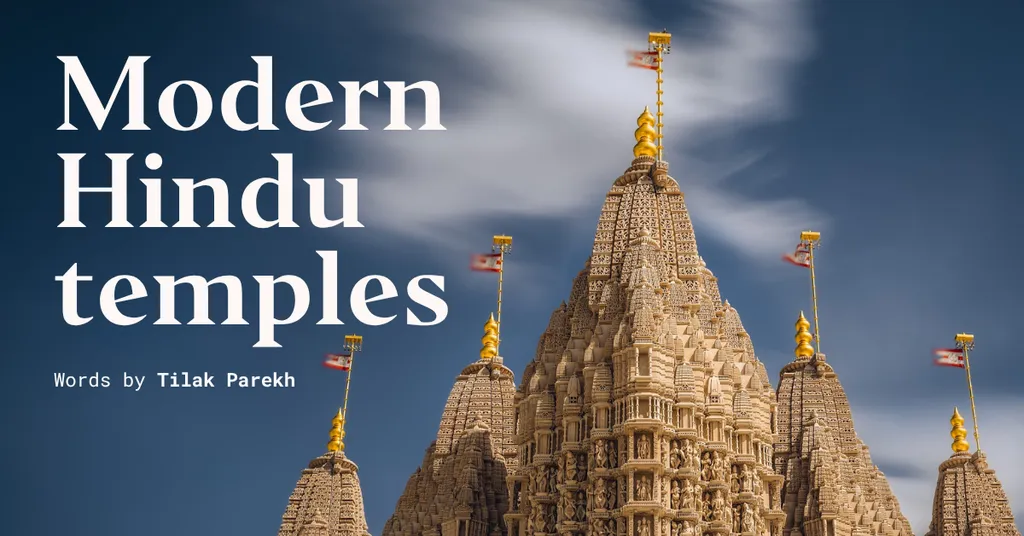
Modern Hindu temple architecture continues to adhere to ancient guidelines known as the Shilpa Shastras. While incorporating modern materials, these temples prioritize traditional construction methods that emphasize durability and longevity. The process of building these temples often involves a blend of professional craftsmanship and community volunteerism, reflecting a deep sense of devotion.
- ▪Hindu temple architecture is governed by ancient canons known as the Shilpa Shastras.
- ▪Modern temples often use traditional load-bearing stone structures rather than steel frames.
- ▪The construction process integrates high-tech manufacturing with hereditary craftsmanship and community involvement.
Opening excerpt (first ~120 words) tap to expand
In the twentieth century, Christian and Jewish religious architecture was reshaped by modernism. Most new churches and synagogues today are built in modern styles; almost no new Gothic cathedrals have been built since the nineteenth century. Hindu architecture did not undergo the same process. Temple architecture is governed by ancient canons known as the Shilpa Shastras, which define the classical style of Hindu temple architecture. In the twentieth century, many Hindu communities continued to aspire to this style, while sometimes using modern materials for reasons of cost.
…
Excerpt limited to ~120 words for fair-use compliance. The full article is at Worksinprogress.
Discussion
0 commentsMore from Worksinprogress