Meta will beam sunlight from space to power AI data centers, solar-collecting satellites will orbit 22,000 miles above Earth — firm reserves 1 Gigawatt of orbital solar energy and 100 Gigawatt-hours of long-duration storage
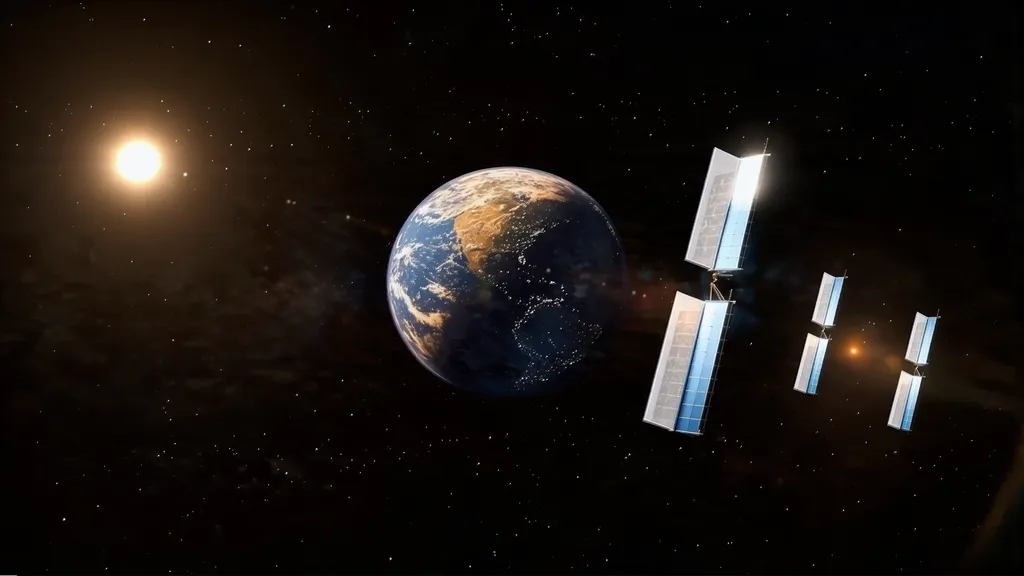
Meta has announced plans to power its AI data centers using sunlight beamed from space via solar-collecting satellites in geosynchronous orbit. The company has reserved up to 1 Gigawatt of orbital solar energy capacity from startup Overview Energy and secured 100 Gigawatt-hours of long-duration storage through a partnership with Noon Energy. This initiative aims to address the growing energy demands of AI infrastructure and the intermittency issues of ground-based renewable energy sources.
- ▪Meta plans to use satellites in geosynchronous orbit, 22,000 miles above Earth, to collect and beam solar energy to Earth.
- ▪The company has reserved up to 1 Gigawatt of orbital solar power from Overview Energy.
- ▪Meta also partnered with Noon Energy for up to 100 Gigawatt-hours of ultra-long-duration energy storage.
- ▪Space-based solar energy could provide continuous power, overcoming the intermittency of terrestrial solar and wind energy.
- ▪The move addresses escalating energy demands from AI data centers that are straining electrical grids.
Opening excerpt (first ~120 words) tap to expand
Tech Industry Artificial Intelligence Zuckerberg's Meta will beam sunlight from space to power AI data centers, solar-collecting satellites will orbit 22,000 miles above Earth — firm reserves 1 Gigawatt of orbital solar energy and 100 Gigawatt-hours of long-duration storage News By Etiido Uko last updated 29 April 2026 Sunlight beamed from space could help solve AI’s exploding electricity problem. When you purchase through links on our site, we may earn an affiliate commission. Here’s how it works.
…
Excerpt limited to ~120 words for fair-use compliance. The full article is at Tom's Hardware.
Discussion
0 commentsMore from Tom's Hardware