Loopholes undermine palm oil industry’s antideforestation pledges
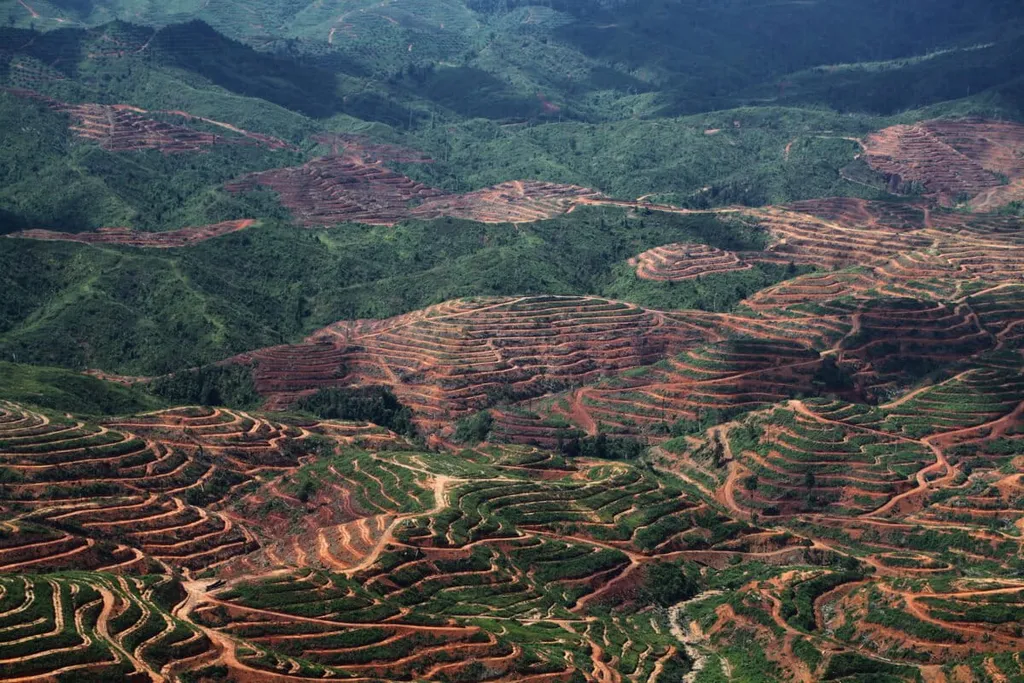
Despite the palm oil industry's commitment to 'No Deforestation, No Peat, No Exploitation' (NDPE) policies, deforestation in Indonesia continues to be a significant issue. New satellite data reveals that over 31,000 hectares of forest were cleared for palm oil in 2025, highlighting persistent gaps in enforcement. Campaigners point to loopholes in traceability and supply chains as major contributors to ongoing deforestation linked to palm oil production.
- ▪Satellite analysis shows 31,073 hectares of forest were cleared for palm oil in Indonesia in 2025.
- ▪Deforestation linked to palm oil persists due to gaps in traceability and corporate ownership loopholes.
- ▪NDPE policies aim to eliminate harm in palm oil production but have not fully stopped deforestation.
Opening excerpt (first ~120 words) tap to expand
More than a decade after the palm oil industry adopted “No Deforestation, No Peat, No Exploitation” (NDPE) commitments, new satellite data show forest clearing for palm oil in Indonesia persists, with more than 31,000 hectares (nearly 77,000 acres) lost in 2025.Campaigners say deforestation increasingly slips through structural gaps in the system, including incomplete traceability, fragmented smallholder supply chains, and loopholes that allow companies linked to forest clearing to continue selling into supposedly deforestation-free markets.Investigators cite cases in Indonesia, the top producer of the commodity, as examples of how palm fruit from deforestation-linked plantations can still enter global supply chains through third-party mills and opaque ownership structures.Analysts warn…
Excerpt limited to ~120 words for fair-use compliance. The full article is at Mongabay — News.
Discussion
0 commentsMore from Mongabay — News