Locksley taps Columbia Uni tech to fast-track US rare earths
Locksley Resources is partnering with Columbia University to develop advanced processing techniques for rare earth elements from its Mojave project in California, focusing on simplifying recovery and separation methods for bastnaesite-rich ores. The collaboration aims to create cleaner, more efficient pathways for turning raw materials into usable rare earth products, while exploration and drilling continue on-site. The work supports Locksley’s broader strategy to advance both rare earths and antimony projects within the same mineral-rich region. This effort includes spectroscopic analysis, leaching options, and molten salt electrolysis as alternatives to traditional processing.
- ▪Locksley Resources is collaborating with Columbia University to develop simplified and cleaner processing routes for rare earth elements from its Mojave project in California.
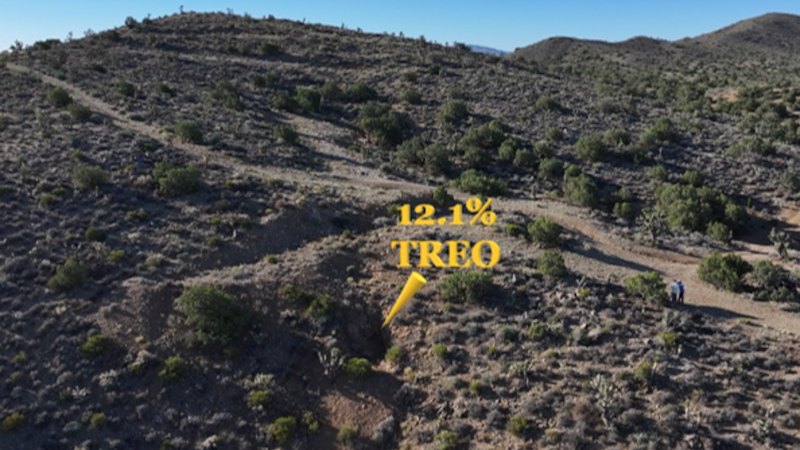
- ▪The El Campo prospect within the Mojave project has recorded rare earth oxide grades of up to 12.1% from surface samples.
- ▪Columbia University is developing a spectroscopic method to identify rare earths in carbonatite rocks and testing molten salt electrolysis for metallisation.
- ▪Drilling has begun at El Campo to assess the continuity of sheared carbonatite-hosted rare earth mineralisation along a 900-meter strike.
- ▪The research is in the early stages but aims to inform future pilot-scale testing and development studies based on real-world sample data.
Opening excerpt (first ~120 words) tap to expand
{"@context":"https://schema.org","@type":"NewsArticle","dateModified":"2026-04-29T04:10:42Z","datePublished":"2026-04-29T04:10:42Z","description":"Locksley Resources is advancing rare earths processing options for its US Mojave project with Columbia University, aiming to simplify recovery and separation flowsheets.","headline":"Locksley taps Columbia Uni tech to fast-track US rare earths","keywords":"Bulls N' Bears, Sharemarket, Shares","author":[{"@type":"Person","name":"Doug…
Excerpt limited to ~120 words for fair-use compliance. The full article is at The Sydney Morning Herald.
Discussion
0 commentsMore from The Sydney Morning Herald