Living with PMDD is like having the Grim Reaper visit every month

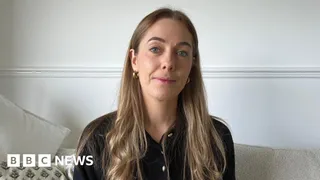
Annika Waheed has lived with premenstrual dysphoric disorder (PMDD) for over eight years, experiencing severe monthly episodes of suicidal thoughts that lift once her period begins. PMDD is a serious mental health condition linked to hormonal changes in the luteal phase of the menstrual cycle, causing intense psychological and physical symptoms. Researchers in Scotland have developed a suicide prevention tool to help clinicians identify PMDD symptoms, aiming to improve diagnosis and care within the NHS.
- ▪PMDD affects over a million women in the UK, but only a small fraction receive a diagnosis.
- ▪Women with PMDD may experience severe anxiety, depression, and suicidal thoughts in the one to two weeks before their period.
- ▪The disorder is believed to be triggered by hormonal fluctuations, particularly in progesterone and oestrogen levels.
- ▪A new suicide prevention model developed in Scotland helps clinicians recognize PMDD-related mental health patterns.
- ▪Doctors often lack time during consultations to properly explore links between mental health and menstrual cycles.
Opening excerpt (first ~120 words) tap to expand
Living with PMDD is like having the Grim Reaper visit every month 22 minutes agoShareSaveAdd as preferred on GoogleRuth CleggHealth and wellbeing reporterAnnikaAnnika has had premenstrual dysphoric disorder (PMDD) for more than eight yearsWarning: This article contains discussion of suicideThe morning after she tried to end her life, Annika Waheed's period started. The feelings of despair left her and the "weight of the world", as she describes it, lifted."Did I really do that?" she asked her sister, who had hugged Annika close to keep her safe as she slept off an attempted overdose."Yes, you did."Annika would spend two weeks of every month haunted by suicidal thoughts, and then, like the flick of a switch, the darkness would dissipate as soon as she started her period and she would "be…
Excerpt limited to ~120 words for fair-use compliance. The full article is at BBC News — Health.
Discussion
0 commentsMore from BBC News — Health