Japan's 'posthumous divorce' rise reflects burdens of aging society
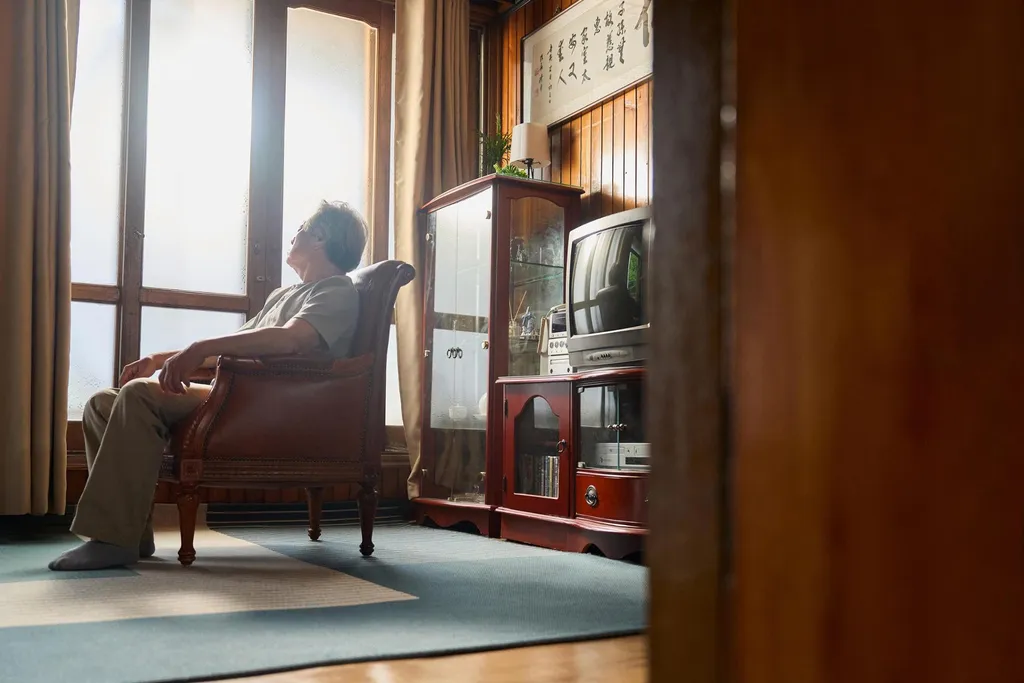
The number of people in Japan choosing posthumous divorce, a legal procedure to sever ties with a deceased spouse's family, is on the rise. This trend is attributed to the country's rapidly aging society and the desire to avoid caregiving obligations. The annual number of filings for posthumous divorce increased for the third consecutive year, reaching 4,027 cases in 2024.
- ▪The number of posthumous divorce filings in Japan has been increasing since 2015, with a peak in 2017 and a resurgence in recent years.
- ▪Posthumous divorce allows a surviving spouse to legally end ties with their deceased spouse's relatives without their consent or notification.
- ▪The motivation behind posthumous divorce has shifted from resisting traditional patriarchal expectations to avoiding practical caregiving obligations.
Opening excerpt (first ~120 words) tap to expand
gettyimagesbankIn Japan, the number of people choosing so-called “posthumous divorce” — legally severing ties with a deceased spouse’s family — is on the rise.According to a report published Wednesday by Japanese newspaper Nikkei, the annual number of filings for “termination of affinity relations,” commonly referred to as posthumous divorce, increased for the third consecutive year, reaching 4,027 cases in 2024.The number of such filings began rising in 2015, peaked in 2017, then declined through 2021 before turning upward again.Posthumous divorce refers to a legal procedure in which a surviving spouse submits paperwork to local authorities declaring the end of legal ties with the deceased spouse’s relatives.
…
Excerpt limited to ~120 words for fair-use compliance. The full article is at Korea Times.
Discussion
0 commentsMore from Korea Times