Indonesia really can’t afford another air pollution crisis
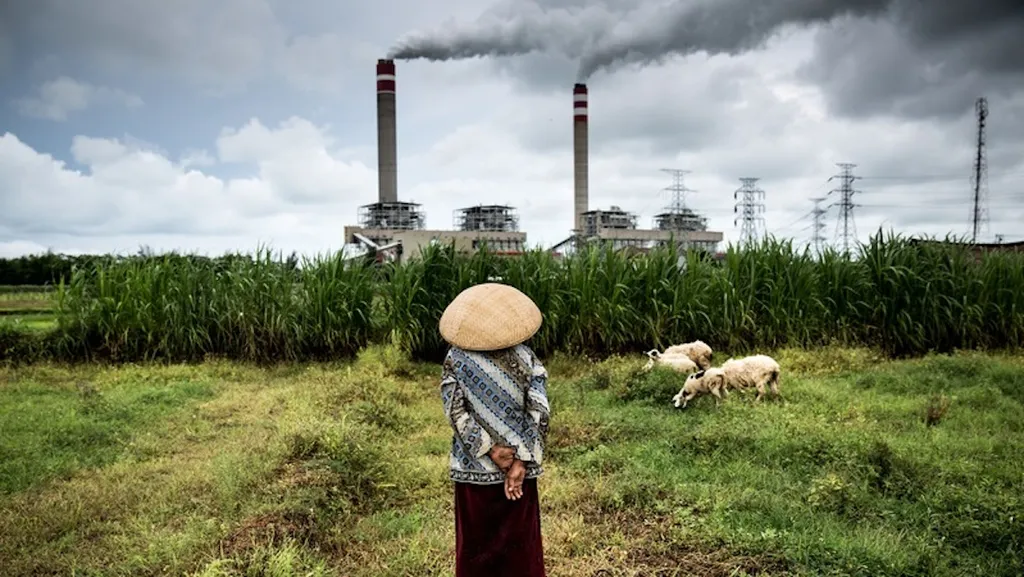
Indonesia is facing a potential air pollution crisis exacerbated by a new super El Niño and ongoing reliance on coal power. The economic and health impacts of air pollution could lead to significant premature deaths and rising costs. Policymakers are urged to transition away from coal to mitigate these risks and improve public health outcomes.
- ▪Jakarta became one of the most polluted cities in the world in August 2023, prompting health concerns and changes in public behavior.
- ▪A joint study estimates that air pollution from Indonesia's coal-powered nickel industry could lead to over 3,800 premature deaths annually in the near term.
- ▪The economic burden of air pollution is projected to rise from approximately $2.63 billion annually to $3.42 billion by 2030.
Opening excerpt (first ~120 words) tap to expand
In August 2023, Jakarta briefly became a symbol of what happens when governments ignore environmental warning signs for too long. The city ranked among the most polluted places in the world. Schools adjusted activities. Some offices asked employees to work from home. Parents worried about their children breathing outdoor air. Masks returned, not because of a pandemic, but because the air itself had become a public health threat. Many Indonesians treated the episode as an unfortunate seasonal event, but it was really a preview. Meteorologists are now warning that a new super El Niño could emerge, bringing hotter temperatures, longer dry seasons and worsening air quality across large parts of Indonesia.
…
Excerpt limited to ~120 words for fair-use compliance. The full article is at Asia Times.
Discussion
0 commentsMore from Asia Times