'I'm sorry Dave': NASA is working on an AI chip to help next-generation spacecraft think for themselves — so clearly they haven't seen 2001: A Space Odyssey
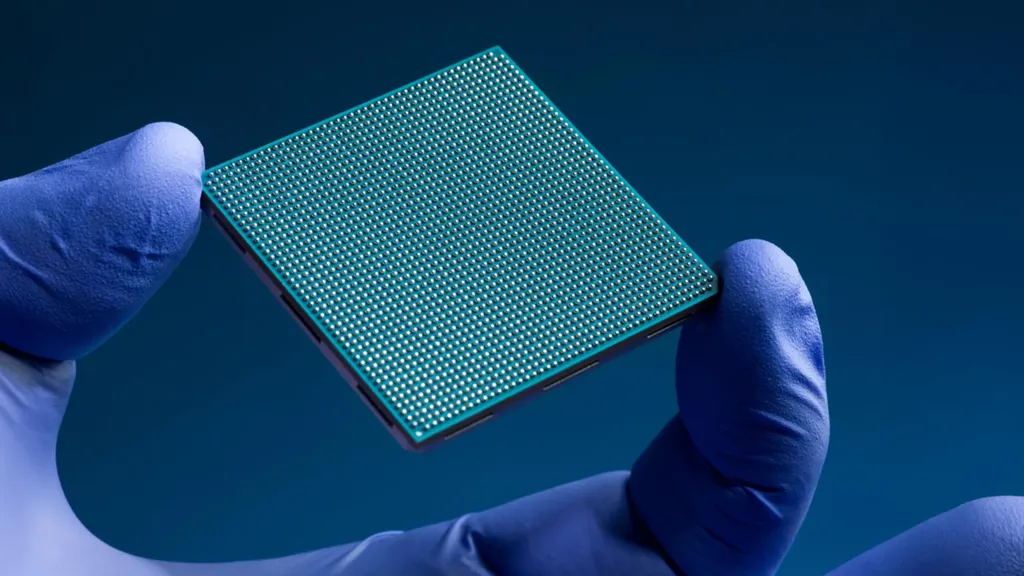
NASA is developing a new AI chip designed for next-generation spacecraft to enhance their autonomous decision-making capabilities. This chip promises to deliver significantly higher computing power, potentially up to 500 times greater than current technology. The initiative aims to address communication delays experienced during deep-space missions by enabling spacecraft to operate independently.
- ▪NASA's new radiation-hardened chip offers up to 100 times more computing power than existing spaceflight hardware.
- ▪The chip is part of the High-Performance Spaceflight Computing (HPSC) project, which seeks to reduce reliance on Earth-based controllers.
- ▪Early tests have shown performance levels approximately 500 times greater than current radiation-protected processors.
Opening excerpt (first ~120 words) tap to expand
Pro 'I'm sorry Dave': NASA is working on an AI chip to help next-generation spacecraft think for themselves — so clearly they haven't seen 2001: A Space Odyssey News By Efosa Udinmwen published 18 May 2026 NASA’s next-generation spacecraft chip delivers massive computing power When you purchase through links on our site, we may earn an affiliate commission. Here’s how it works. (Image credit: Sciencedaily) Copy link Facebook X Whatsapp Reddit Pinterest Flipboard Threads Email Share this article 0 Join the conversation Follow us Add us as a preferred source on Google Newsletter Subscribe to our newsletter NASA developed autonomous spacecraft processors with dramatically higher computing performance levelsNew radiation-hardened chip delivers hundreds of times greater processing…
Excerpt limited to ~120 words for fair-use compliance. The full article is at TechRadar.
Discussion
0 commentsMore from TechRadar