Humans and Chimpanzees Have Surprisingly Similar Wrists — Both May Trace Back to a Knuckle-Walking Ancestor
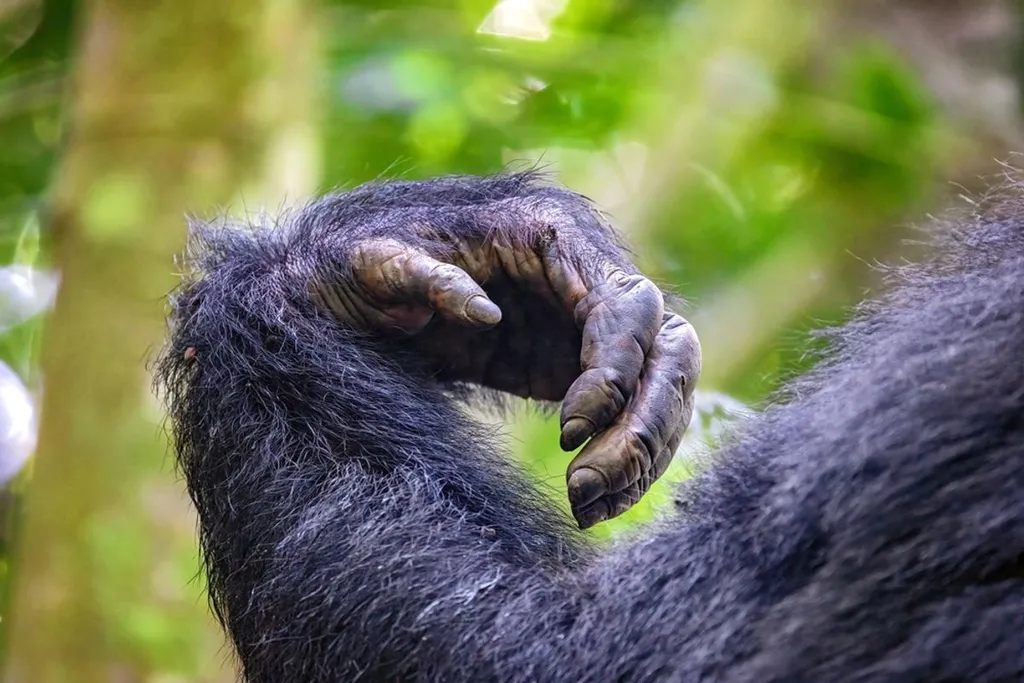
A new study reveals that human and chimpanzee wrists share surprising similarities, suggesting a common ancestor may have walked on its knuckles. Researchers analyzed wrist bones from living primates and fossil hominins, finding notable similarities in carpal morphology. This study contributes to the ongoing debate about how early hominins evolved their hand functions for tool use versus locomotion.
- ▪The study published in the Proceedings of the Royal Society B suggests that the last common ancestor of chimpanzees and humans may have been a knuckle-walker.
- ▪Researchers used machine learning methods to analyze the carpal bones of modern humans and African apes, finding significant similarities.
- ▪The findings indicate that the evolution of the human wrist may have originated from an African ape-like wrist structure.
Opening excerpt (first ~120 words) tap to expand
The human hand has evolved over millions of years to make the most of tools, while our ape cousins primarily use their hands to move around. Chimpanzees and gorillas, for example, have hands that are perfect for walking on their knuckles. But some of the wrist bones that make apes knuckle-walking experts are shockingly similar to bones in modern humans’ wrists.A new study published in the Proceedings of the Royal Society B: Biological Sciences has made headway on an age-old question in hominin evolution: did the last common ancestor (LCA) between the genus Pan (chimpanzees and bonobos) and Homo (hominins, including modern humans) walk on its knuckles, or not? Based on bones in the wrists of African apes and humans, we share wrist features with apes that are possibly related to…
Excerpt limited to ~120 words for fair-use compliance. The full article is at Discover Magazine.
Discussion
0 commentsMore from Discover Magazine