H.P. Lovecraft borrowed from this real Connecticut seismic phenomenon
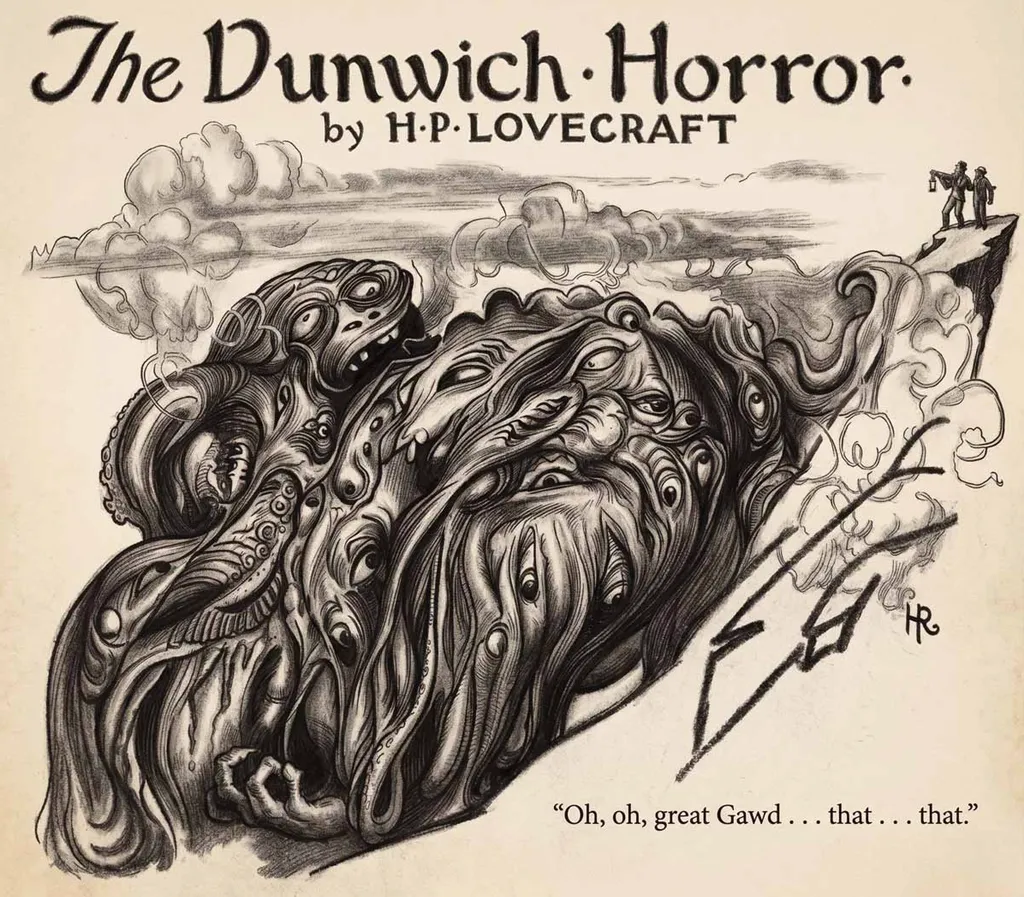
The village of Moodus in Connecticut is known for its unique seismic phenomenon that produces audible microearthquakes. This phenomenon inspired H.P. Lovecraft's work, particularly in 'The Dunwich Horror.' The area's indigenous peoples and early settlers had differing interpretations of the sounds, which have been a part of local lore for centuries.
- ▪Moodus lies over a seismic fault that produces shallow microearthquakes.
- ▪The Algonquian peoples named the area Matchitmoodus, meaning 'the place of noises.'
- ▪H.P. Lovecraft incorporated the Moodus phenomenon into his story 'The Dunwich Horror.'
Opening excerpt (first ~120 words) tap to expand
H.P. Lovecraft borrowed from this real Connecticut seismic phenomenon Ellsworth Toohey 11:34 am Wed May 20, 2026 The Connecticut village of Moodus lies over a seismic fault that produces shallow microearthquakes that cause weird booms, rumbles, and cracks. The Algonquian peoples named the area Matchitmoodus. ("the place of noises") The biggest Moodus Noise on record was an intensity-7 earthquake on May 16, 1791. The Pequot, Mohegan, Narragansett, and Wangunk tribes gathered near Mount Tom to experience the sounds, which they associated with the deity Hobbomock. Puritan settlers thought Hobomok was evil; the tribes saw him as something more complicated, morally ambiguous, capable of good and harm. Either way, everybody agreed the ground was making noise.
…
Excerpt limited to ~120 words for fair-use compliance. The full article is at Boing Boing.
Discussion
0 commentsMore from Boing Boing