How To Sell a War
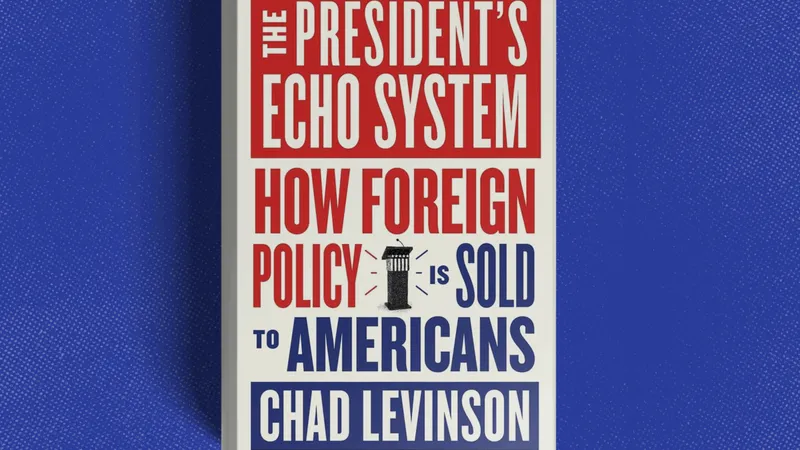
Chad Levinson's book, The President's Echo System, explores how U.S. presidents utilize private organizations to promote foreign policy. He argues that these extragovernmental organizations (EGOs) work symbiotically with the White House to influence public opinion and congressional support. The book provides historical case studies, illustrating the role of EGOs from World War II to the Cold War.
- ▪Levinson defines extragovernmental organizations as private groups aligned with government interests that lobby for presidential foreign policy.
- ▪He argues that the relationship between the presidency and EGOs is symbiotic, with the White House acting as the senior partner.
- ▪The book discusses how these organizations have historically favored interventionist policies, reflecting presidential ambitions.
Opening excerpt (first ~120 words) tap to expand
History How To Sell a War Presidents use a web of private influence to garner support for foreign invasions. Brandan P. Buck | 6.2.2026 8:00 AM Share on FacebookShare on XShare on RedditShare by emailPrint friendly versionCopy page URL Add Reason to Google Media Contact & Reprint Requests (Photo: Harvard University Press) The President's Echo System: How Foreign Policy Is Sold to Americans, by Chad Levinson, Harvard University Press, 288 pages, $39.95 The modern presidency frequently sells its foreign policy to the American people via nominally private institutions, thereby bypassing official sanctions against propagandizing the public. So argues Chad Levinson, a political scientist at Virginia Tech, in The President's Echo System.
…
Excerpt limited to ~120 words for fair-use compliance. The full article is at Reason.com.
Discussion
0 commentsMore from Reason.com