How the world can avoid millions going hungry when supply chains collapse
The UN warns that millions may face hunger due to rising energy prices linked to the conflict in the Middle East. The situation highlights the vulnerability of global food systems to geographically concentrated production. Experts suggest transitioning to greener ammonia production, rethinking food stockpiling, and promoting plant-based diets to enhance food security.
- ▪The price of energy has risen sharply due to the closure of the Strait of Hormuz, impacting food production and transportation costs.
- ▪Governments are encouraged to transition to green ammonia for fertilizer production to reduce dependence on specific regions.
- ▪Countries should adopt longer-term food stockpiling strategies to enhance self-sufficiency and resilience against disruptions.
Opening excerpt (first ~120 words) tap to expand
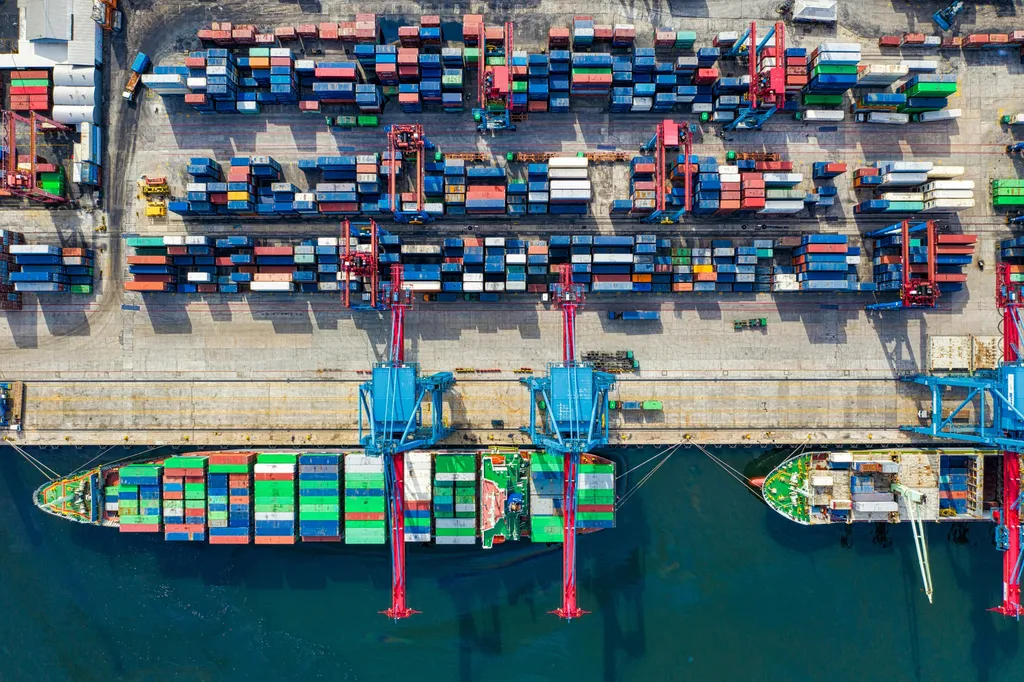
May 16, 2026 How the world can avoid millions going hungry when supply chains collapse by Jasper Verschuur, Paul Behrens, The Conversation edited by Lisa Lock, reviewed by Andrew Zinin Lisa Lock Scientific Editor Meet our editorial team Behind our editorial process Andrew Zinin Lead Editor Meet our editorial team Behind our editorial process Editors' notes This article has been reviewed according to Science X's editorial process and policies. Editors have highlighted the following attributes while ensuring the content's credibility: fact-checked trusted source written by researcher(s) proofread The GIST Add as preferred source Credit: Tom Fisk from Pexels Millions more people will face hunger in the coming months if the conflict in the Middle East is not resolved soon, the UN has warned.
…
Excerpt limited to ~120 words for fair-use compliance. The full article is at Phys.org.
Discussion
0 commentsMore from Phys.org