How ospreys were 'tricked' into breeding in Dorset
Ospreys have successfully returned to breed in Dorset after a 180-year absence, thanks to a translocation project that began in 2017. Chicks from Scotland were relocated and raised in Poole Harbour to imprint the location as their natal site, encouraging them to return and breed. The project's success is seen as symbolic of broader species recovery in the region.
- ▪The osprey reintroduction project in Dorset began in 2017 and involved relocating chicks from Scotland to Poole Harbour.
- ▪Male ospreys exhibit natal philopatry, returning to their birthplace to breed, which required the translocated birds to be imprinted on Dorset as their home.
- ▪Two breeding pairs now exist in Poole Harbour, with both males originating from the translocation project.
- ▪The Birds of Poole Harbour charity and the Roy Dennis Wildlife Foundation collaborated on the project, hand-rearing chicks before release.
- ▪Ospreys are now part of a wider ecological recovery, with other raptors like white-tailed eagles and peregrine falcons also returning to the area.
Opening excerpt (first ~120 words) tap to expand
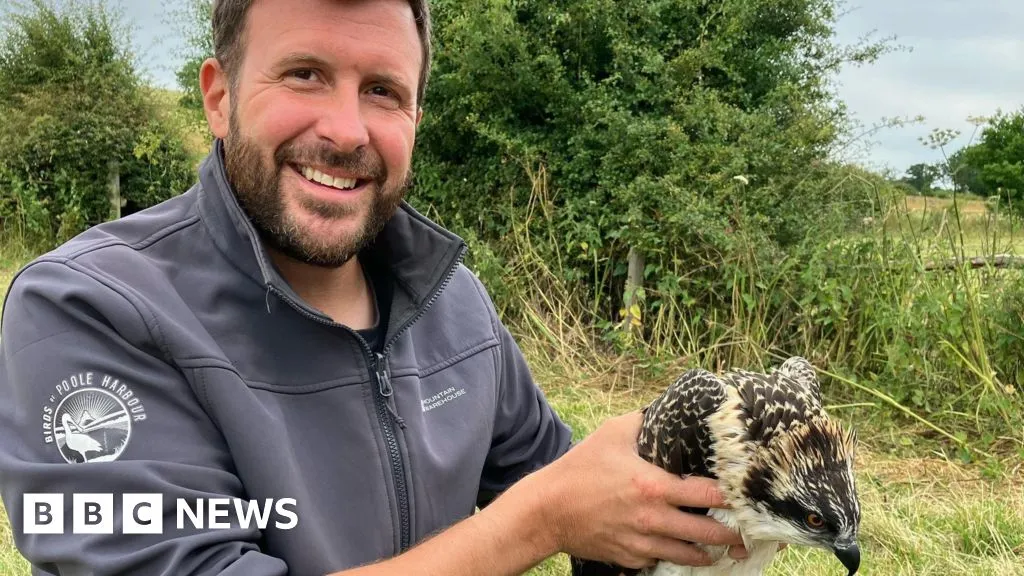
How ospreys were 'tricked' into breeding in DorsetJust nowShareSaveAdd as preferred on GoogleRos TappendenSouth of EnglandBirds of Poole HarbourPaul Morton says the ospreys are symbolic of wider species recovery in Poole HarbourDorset's much-loved ospreys are incubating another bumper clutch of four eggs and all eyes are on their nest cam, waiting for the first chick to appear.Female CJ7 and male 022 were the first of two pairs to breed at Poole Harbour as a result of a five-year translocation project which began in 2017.The reintroduction of the birds of prey to the region has been a complex operation, mainly because the males tend to return to their birthplace to breed.But with no breeding ospreys on England's south coast for about 180 years, convincing the birds that Dorset was home…
Excerpt limited to ~120 words for fair-use compliance. The full article is at BBC News — Science.
Discussion
0 commentsMore from BBC News — Science