How Medieval Doctors, Christian and Muslim, Treated the Black Death
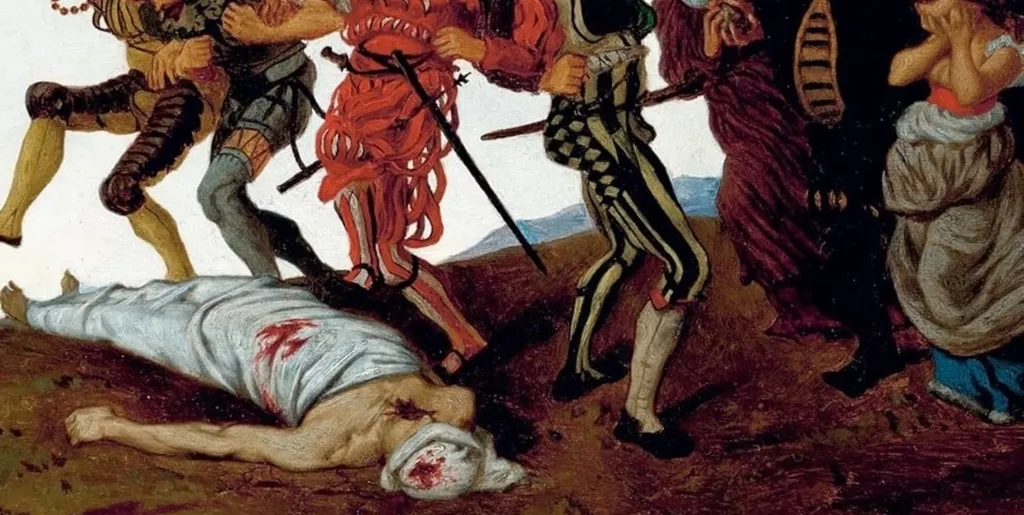
During the Black Death, physicians relied on traditional medical knowledge and therapies, which ultimately proved ineffective against the plague. This failure led to widespread criticism of the medical profession, with many expressing scorn for doctors who were perceived as greedy and incompetent. Despite the challenges, some medical practitioners displayed remarkable dedication, risking their lives to care for the sick.
- ▪Physicians used ancient medical knowledge and traditional therapies like bloodletting to treat Black Death patients.
- ▪Many people criticized doctors for their ineffectiveness and perceived greed during the pandemic.
- ▪Some medical practitioners, including nursing staff and certain physicians, showed selfless dedication in treating patients despite the risks.
Opening excerpt (first ~120 words) tap to expand
Many physicians sought to treat patients struck down by the Black Death. These doctors typically turned to the extant body of medical knowledge, derived from the ancient world and Arabic texts written between the ninth and the twelfth centuries; they tried to fit this new plague into the established framework of Galenic Humoral Theory; and they employed traditional therapies, including bloodletting and cautery. Their efforts proved to be wholly ineffective.Article continues after advertisement Many who lived through the pandemic—and witnessed this inability to combat the lethal pestilence—developed scornful opinions of the medical profession.
…
Excerpt limited to ~120 words for fair-use compliance. The full article is at Literary Hub.
Discussion
0 commentsMore from Literary Hub