How do hurricanes and typhoons form and is climate change making them stronger?
Hurricanes and typhoons form from atmospheric disturbances in warm tropical waters. While climate change does not increase the number of these storms, it is believed to enhance their intensity, leading to stronger winds and heavier rainfall. The upcoming 2026 Atlantic hurricane season is expected to be quieter than usual due to the El Niño weather pattern.
- ▪The 2026 Atlantic hurricane season is forecasted to have between three and six hurricanes, lower than the average of seven.
- ▪Climate change is not thought to increase the overall number of hurricanes, but it can lead to stronger storms.
- ▪Rising ocean temperatures can increase the maximum wind speeds of hurricanes by an estimated 19mph due to human-driven warming.
Opening excerpt (first ~120 words) tap to expand
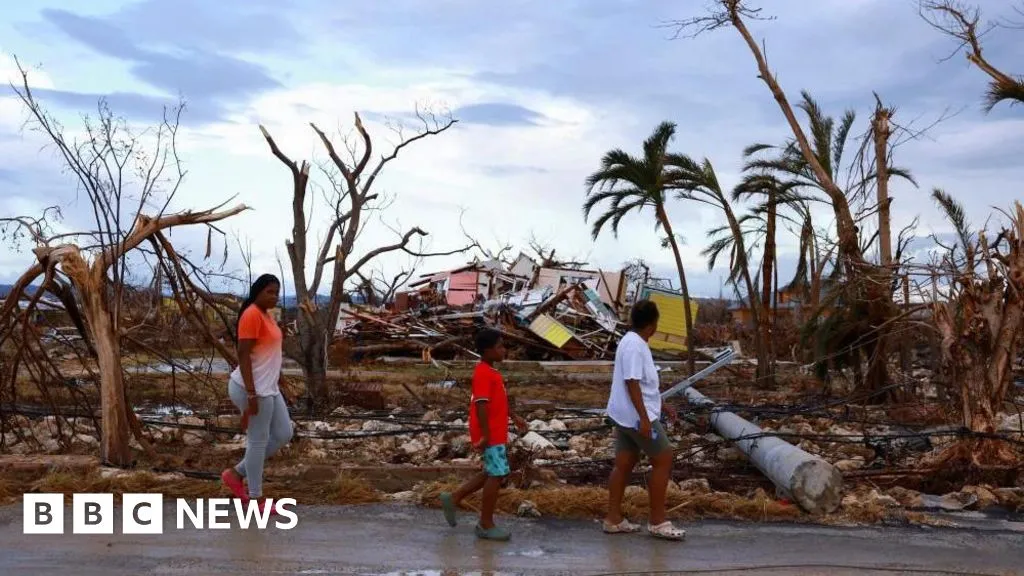
How do hurricanes and typhoons form and is climate change making them stronger?Just nowShareSaveAdd as preferred on GoogleMark PoyntingClimate researcherReutersHurricane Melissa, which hit Jamaica in October 2025, was one of the strongest storms ever recordedThe 2026 Atlantic hurricane season is expected to be quieter than usual, according to the US science agency NOAA.It has forecast between three and six hurricanes between June and November - compared with the average of seven.That is largely because the emerging El Niño weather pattern - which is likely to strengthen over the coming months - tends to disrupt the development of tropical storms in the Atlantic.Climate change is not thought to increase the number of hurricanes, typhoons and cyclones worldwide.But rising temperatures mean…
Excerpt limited to ~120 words for fair-use compliance. The full article is at BBC News — Science.
Discussion
0 commentsMore from BBC News — Science