How Bees Came to the United States and Changed Our Landscape
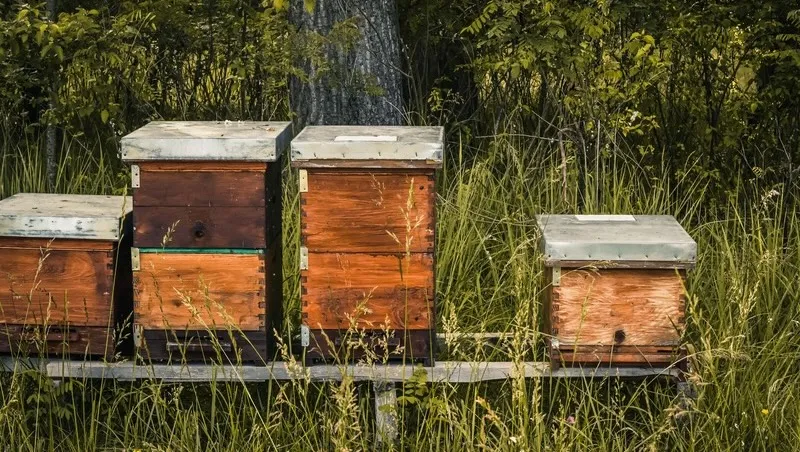
Honey bees have significantly influenced US agriculture over the past 150 years. Originally brought by colonists, they have evolved from a backyard hobby to a vital component of farming, aiding in the pollination of crops. The introduction of the Langstroth hive in 1851 revolutionized beekeeping, allowing for better management and health monitoring of bee colonies.
- ▪Honey bees were first brought to the United States in 1622 by colonists.
- ▪They became essential for pollinating crops like apple and cherry trees.
- ▪The Langstroth hive, invented in 1851, transformed beekeeping practices by allowing easier inspection and honey harvesting.
Opening excerpt (first ~120 words) tap to expand
Over the past 150 years, honey bees have become the cornerstone of US agriculture. Beekeepers now crisscross the country in semi-trucks to pollinate our crops, towing thousands of bee colonies from one blooming pasture to the next like cattle ranchers on wheels.Article continues after advertisement But it wasn’t always this way. Like the colonists who brought them, Western honey bees (Apis mellifera) aren’t native to the Americas. Over centuries, a series of migrations and innovations transformed beekeeping from a backyard hobby to a nationwide enterprise. Honey bees were domesticated to serve farms, and the fates of beekeepers and US agriculture became tightly intertwined. Humans have been hooked on honey for thousands of years.
…
Excerpt limited to ~120 words for fair-use compliance. The full article is at Literary Hub.
Discussion
0 commentsMore from Literary Hub