Great Pyramid of Giza is remarkably resilient to earthquakes — and it's due to the ancient Egyptians' 'extraordinary' engineering knowledge
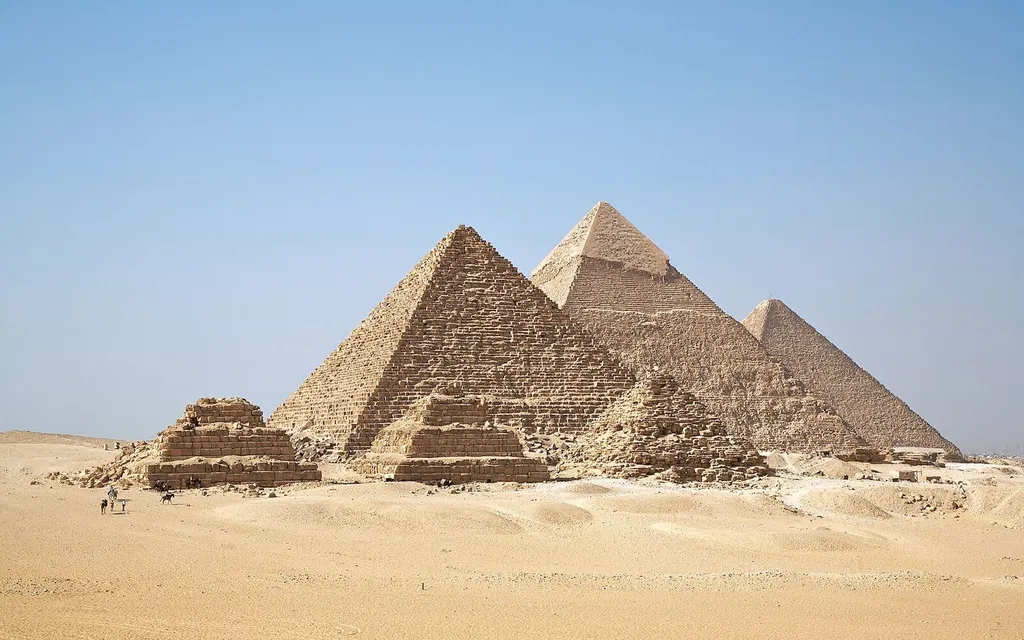
The Great Pyramid of Giza has withstood earthquakes for over 4,600 years due to its advanced engineering. Recent research indicates that specific architectural features help dampen seismic vibrations. This study highlights the impressive construction techniques of ancient Egyptians, contributing to the pyramid's resilience.
- ▪The Great Pyramid has lost only about 33 feet of height since its construction despite experiencing strong earthquakes.
- ▪Research shows that pressure-relieving chambers within the pyramid help dampen seismic movement.
- ▪Vibration sensors recorded that the pyramid's vibrations differ significantly from those of the ground, aiding its stability.
Opening excerpt (first ~120 words) tap to expand
Archaeology Ancient Egyptians Great Pyramid of Giza is remarkably resilient to earthquakes — and it's due to the ancient Egyptians' 'extraordinary' engineering knowledge The Great Pyramid of Giza has survived for more than 4,600 years despite nearby earthquakes, and new research reveals why. By Stephanie Pappas published 21 May 2026 in News When you purchase through links on our site, we may earn an affiliate commission. Here’s how it works. The Great Pyramid of Giza in Egypt has stood through several strong earthquakes.
…
Excerpt limited to ~120 words for fair-use compliance. The full article is at Live Science.
Discussion
0 commentsMore from Live Science