EXPO 1.2 only brings partial CUDIMM support due to lack of native IMC compatibility — Asus also working on updating older B650 and X670 boards with EXPO 1.2
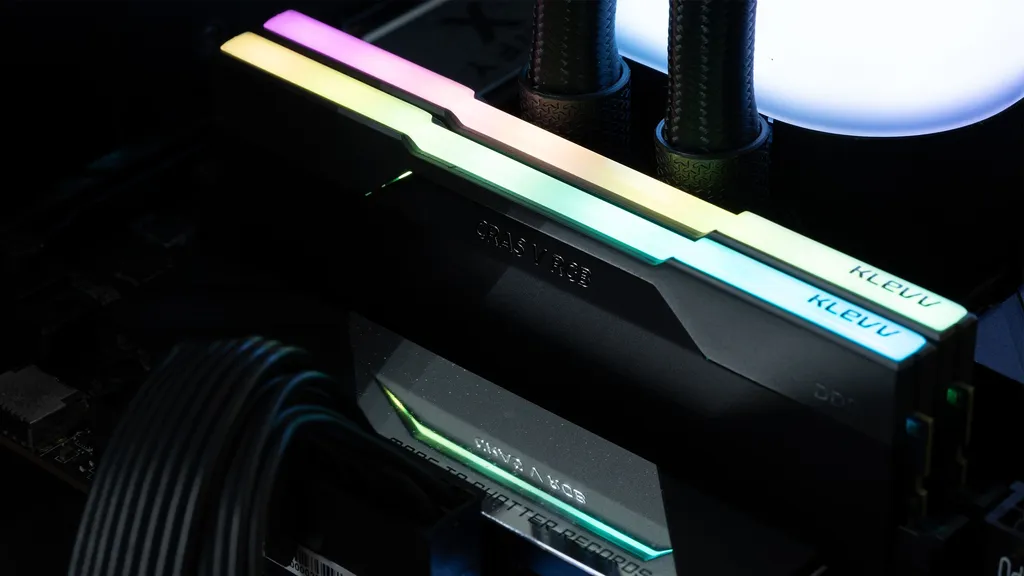
EXPO 1.2 has been released with partial CUDIMM support, limited by current Ryzen processors' lack of native compatibility. Asus is updating older B650 and X670 motherboards with EXPO 1.2 via beta BIOS releases. Full CUDIMM support is expected with next-generation Ryzen CPUs featuring Zen 6 architecture.
- ▪EXPO 1.2 allows CUDIMM to run in bypass mode, limiting speeds to around 6,000 MT/s despite potential for up to 9,000 MT/s.
- ▪Ryzen 7000, 8000G, and 9000 series CPUs do not natively support CUDIMM, requiring bypass mode for system stability.
- ▪Native CUDIMM support is planned for future Ryzen CPUs based on Zen 6, while Intel's Arrow Lake already supports it.
- ▪EXPO 1.2 introduces Ultra-Low Latency mode for DDR5 and adds MRDIMM support for server and data center applications.
- ▪Asus is rolling out EXPO 1.2 to newer X870 and B850 boards and working on beta BIOS updates for older X670 and B650 models.
Opening excerpt (first ~120 words) tap to expand
PC Components Motherboards EXPO 1.2 only brings partial CUDIMM support due to lack of native IMC compatibility — Asus also working on updating older B650 and X670 boards with EXPO 1.2 News By Hassam Nasir published 28 April 2026 True CUDIMM support is planned for the next-gen Ryzen CPUs. When you purchase through links on our site, we may earn an affiliate commission. Here’s how it works. (Image credit: Tom's Hardware) Copy link Facebook X Whatsapp Reddit Pinterest Flipboard Email Share this article 0 Join the conversation Follow us Add us as a preferred source on Google Newsletter Subscribe to our newsletter EXPO 1.2 officially released two days ago with Asus' X870 models being among the first recipients of the new feature.
…
Excerpt limited to ~120 words for fair-use compliance. The full article is at Tom's Hardware.
Discussion
0 commentsMore from Tom's Hardware